Sherali Rizoyon: “Relations between Uzbekistan and Tajikistan have reached a qualitatively new level”
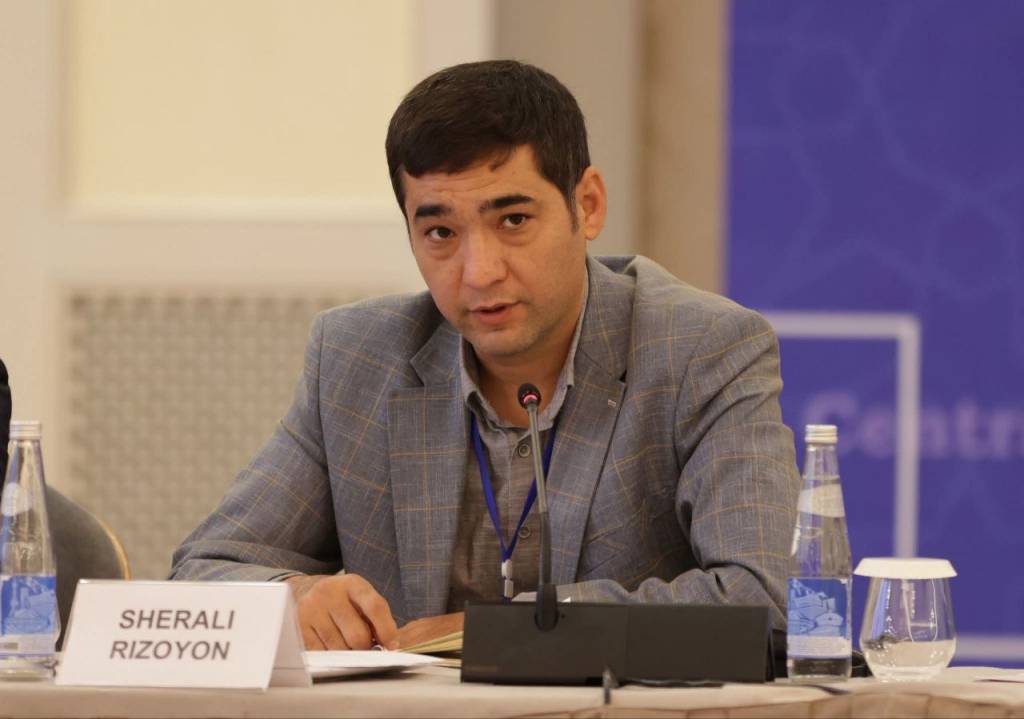
Chief Specialist of the Department for Analysis and Forecasting of Foreign Policy at the Center for Strategic Studies under the President of the Republic of Tajikistan, Sherali Rizoyon, addressed the international scientific-practical conference “Uzbekistan – Tajikistan: New Prospects for Alliance and Regional cooperation”, held at the International Institute for Central Asia. He analyzed the current state of relations between the two fraternal countries.
As noted, relations between Tashkent and Dushanbe have reached a qualitatively new level in recent years. This process was consolidated by the Treaty on Allied Relations and the Agreement on Eternal Friendship.
The expert also touched on regional security issues, emphasizing the importance of coordinated action by states in the fight against terrorism and armed conflict. He noted that the transformation of global political processes generates new threats and risks, which makes regional cooperation particularly important.
According to the speaker, a coordinated policy plays a key role in mitigating the negative consequences of threats affecting national security. This issue is particularly relevant to ensuring stability in Central Asia and strengthening regional security.
In addition, the development of transit and transport corridors remains a priority. The improvement of the road and railway infrastructure, as well as the creation of new logistics routes, will expand opportunities for the two countries to access seaports.
The expert noted that the activity of the expert communities in the two countries can play a significant role in this process, contributing to strengthening the partnership through analytical research, the implementation of media projects, and the formation of a common information space.
– Today it is time to form common traditions that will give new content to relations between our countries, – said Mr. Rizoyon. – This is important not only for the public of the two countries, but also for the international expert community.
Dilshod Hakimov, UzA