Security in the era of digital transformation
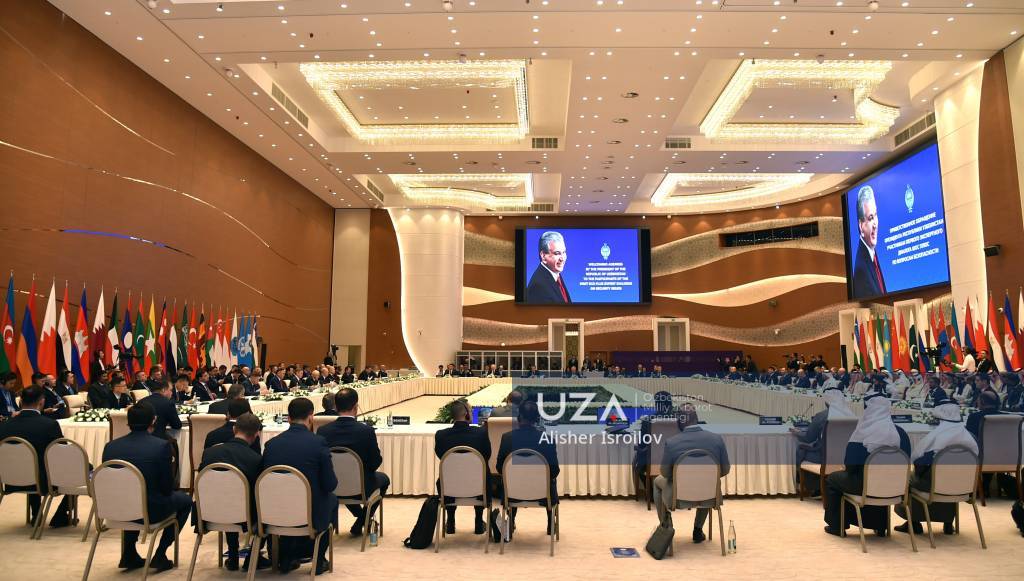
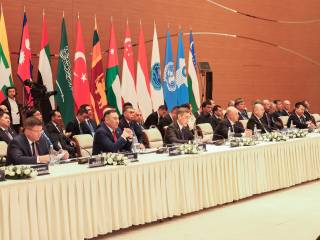
Samarkand hosted the First SCO Plus Expert Dialogue on Security Issues.
Organized at the initiative of the President of the Republic of Uzbekistan Shavkat Mirziyoyev, the event brought together heads and representatives of special services from 24 countries, including SCO member states, observer states and dialogue partners, as well as representatives of five international organizations. President Shavkat Mirziyoyev first proposed the initiative at the SCO Summit in Astana in 2024. At the 2025 meeting of the SCO Council of Heads of State in Tianjin, a proposal was made to hold the first expert-level meeting in Samarkand.
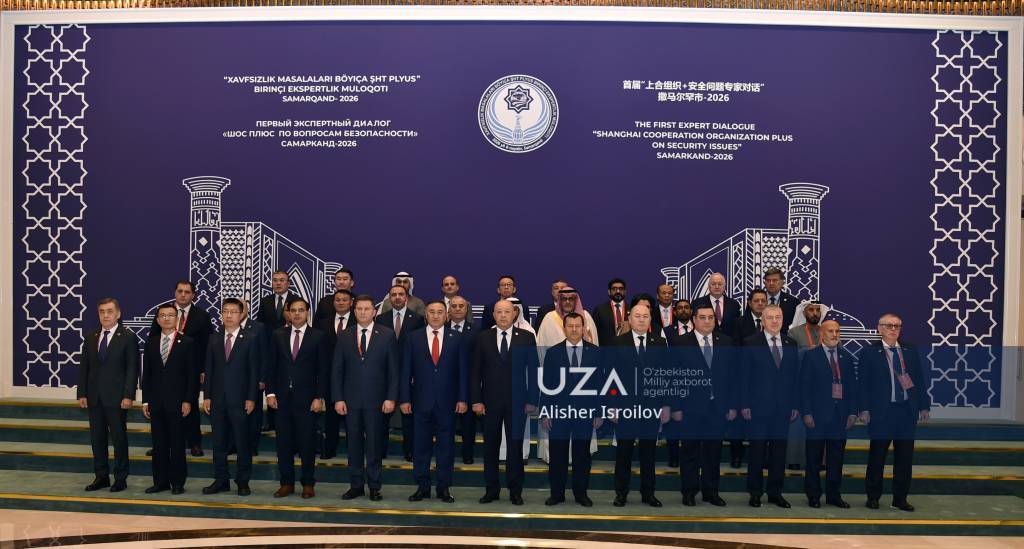
At the opening of the meeting, Secretary of the Security Council under the President of the Republic of Uzbekistan V. Makhmudov read out President Shavkat Mirziyoyev’s address to the participants of the international dialogue. In his address, the President noted that rising geopolitical tensions, deepening divisions and escalating armed conflicts remain defining features of the current international environment. Against this backdrop, ensuring information security, protecting critical infrastructure, and strengthening states’ resilience against new forms of disruptive threats have become particularly pressing priorities.
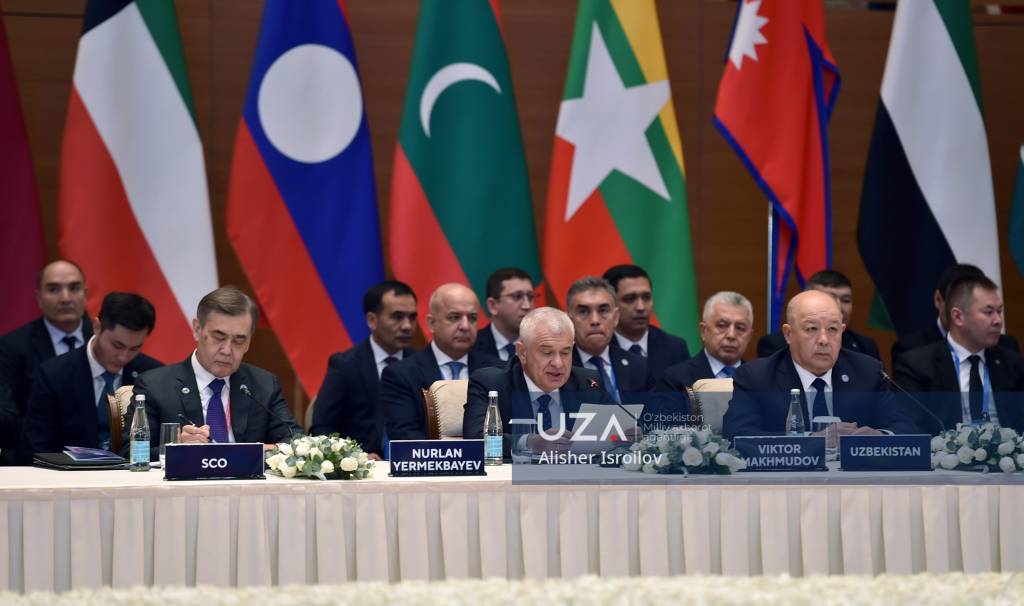
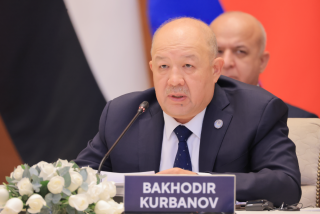
During the meeting, chaired by Colonel General B. Kurbanov, Chairman of the State Security Service of the Republic of Uzbekistan, heads of foreign delegations and representatives of international organizations shared their views and assessments.
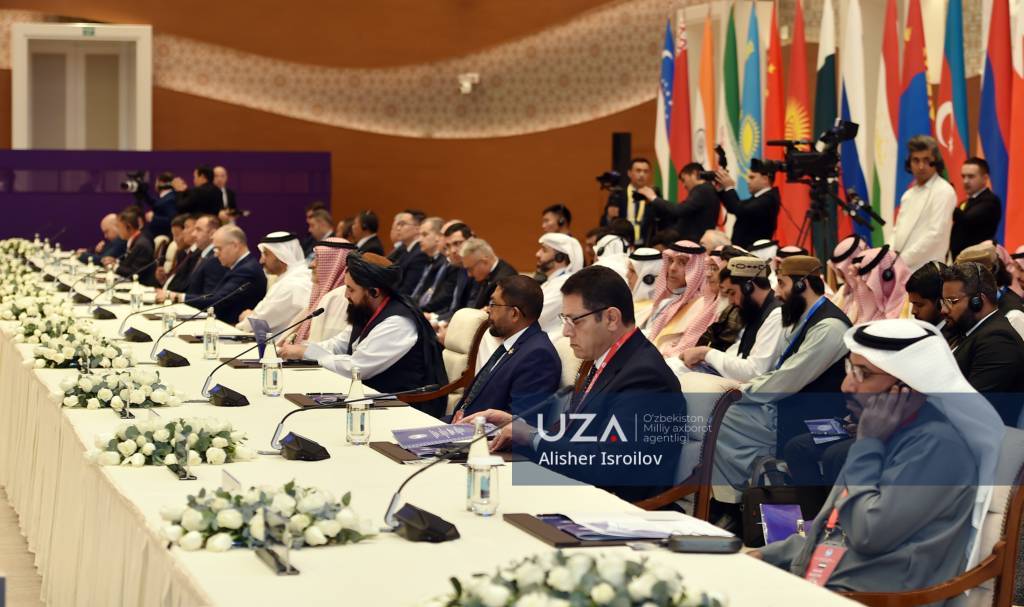
The Chairman of the State Security Service drew participants’ attention to the active use of digital technologies by terrorist and extremist organizations to spread their ideologies, finance terrorist activities, plan and carry out terrorist attacks. He outlined priority areas for ensuring security amid digital transformation.
Nurlan Yermekbayev, Secretary-General of the Shanghai Cooperation Organization (SCO), expressed gratitude to the President of the Republic of Uzbekistan Shavkat Mirziyoyev for proposing the initiative to hold the forum. He noted that cooperation in this format helps foster a broad international partnership.
The meeting continued with a plenary session focusing on national experiences, the introduction of effective cooperation mechanisms, efforts to combat terrorist activities in the digital space, and the development of practical tools to prevent the spread of extremist and radical ideologies.
The heads of delegations adopted a joint communiqué. The document calls for research into the impact of emerging technologies on terrorist threats, preparing reviews of effective preventive practices, and developing thematic seminars and professional training programs.
Golib Khasanov, photos by Alisher Isroilov, UzA