Samarkand strengthens ties of trust between Central Asia and the United States
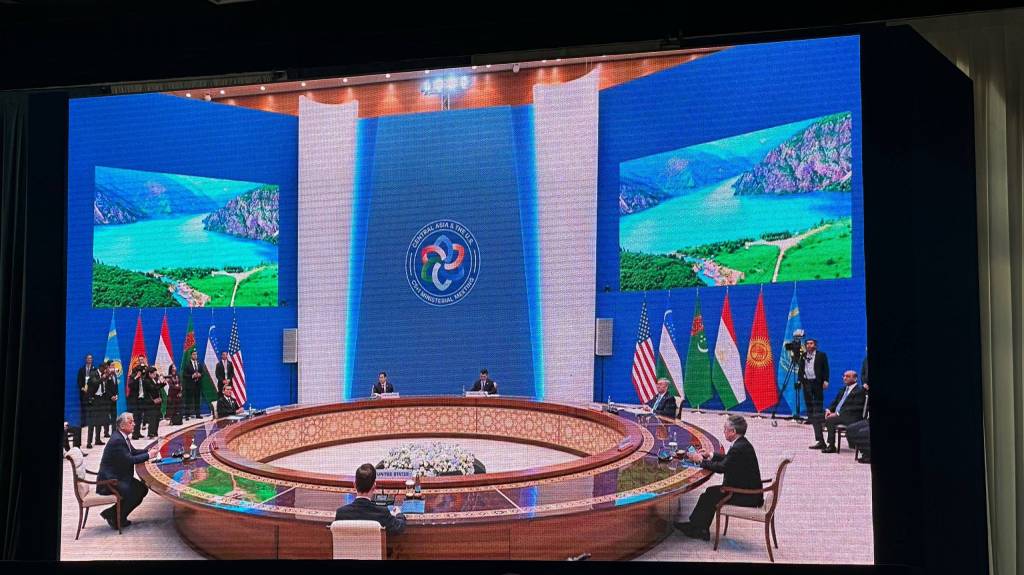
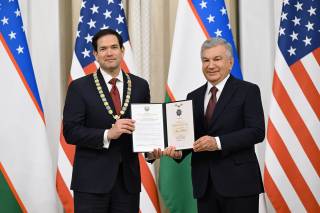
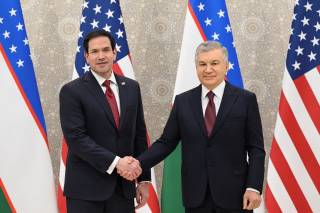
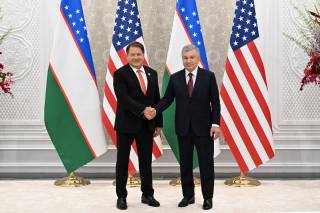
Today, October 19, Samarkand is hosting another ministerial meeting in the C5+1 format, which brings together the United States and the five Central Asian countries.
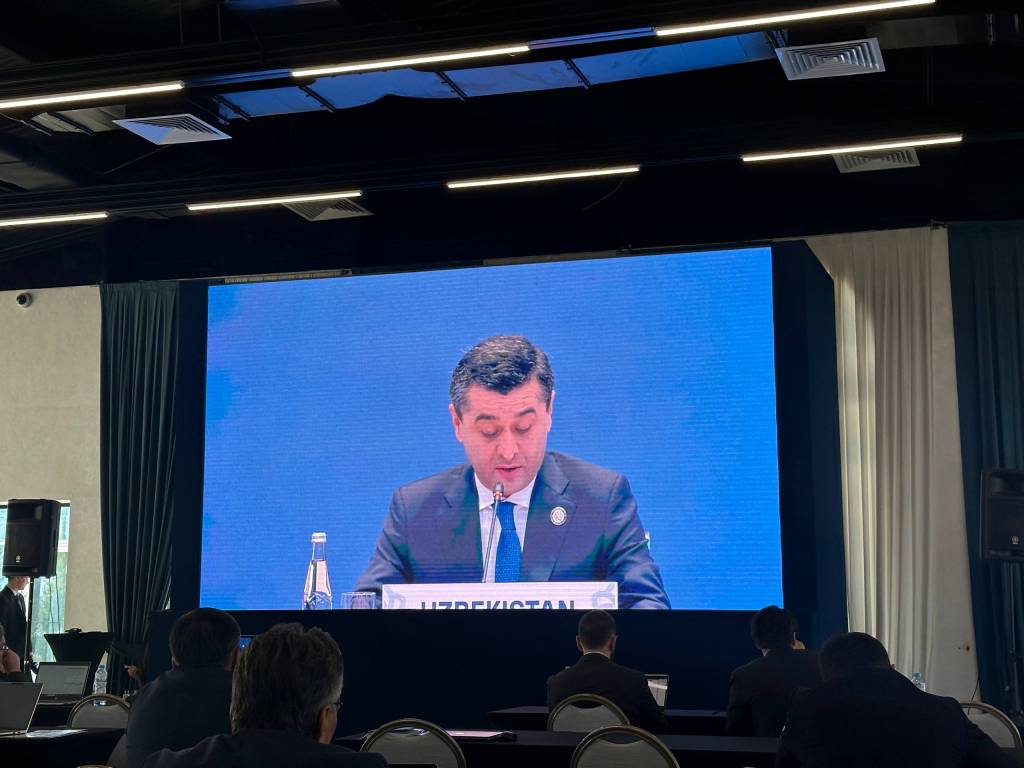
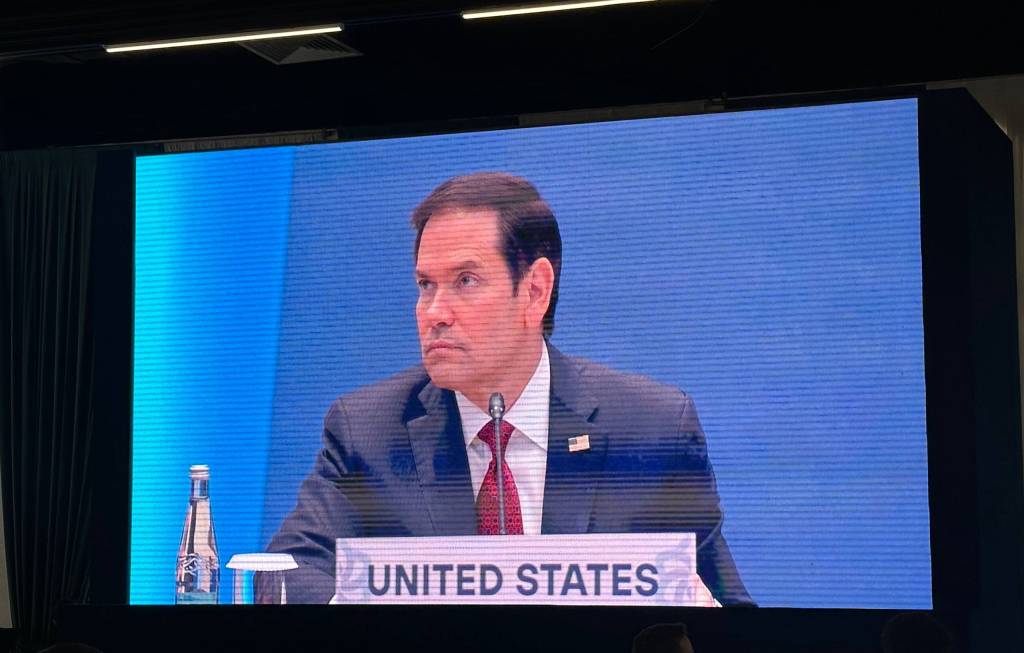
The meeting is attended by the Minister of Foreign Affairs of Uzbekistan Bakhtiyor Saidov, Minister of Foreign Affairs of Kazakhstan Mukhtar Tileuberdi, Minister of Foreign Affairs of Kyrgyzstan Jeenbek Kulubaev, Minister of Foreign Affairs of Tajikistan Sirojiddin Muhriddin, Deputy Chairman of the Cabinet of Ministers and Minister of Foreign Affairs of Turkmenistan Rashid Meredov, and U.S. Secretary of State Marco Rubio.
The C5+1 format has become a key platform for strengthening economic cooperation and carrying out joint projects. It was launched in Samarkand in November 2015, when the foreign ministers of the Central Asian countries and the United States met for the first time. The joint declaration adopted at the meeting laid a solid foundation for supporting the sovereignty, independence, and territorial integrity of the countries in the region.
Today, cooperation within the C5+1 format focuses on three key areas: the economy, energy, and security. Priorities include expanding trade ties and attracting investment, ensuring energy security, using mineral resources efficiently, combating terrorism and extremism, and strengthening cybersecurity.
The B5+1 business platform also plays an important role in complementing intergovernmental dialogue. It serves as a link between governments and businesses, helping improve the business climate and advance specific commercial projects.
Cooperation within the format has intensified this year, with several meetings taking place. In June, discussions in Astana focused on critical minerals, while a meeting in September explored prospects for developing artificial intelligence. In addition, at Uzbekistan’s initiative, the first meeting of culture ministers under the C5+1 format was held in Tashkent on June 5, 2026. The meeting aimed to build on agreements reached at the Washington summit. It concluded with the signing of joint statements on preserving cultural heritage.
The agenda of the latest meeting in Samarkand addresses key issues for strengthening cooperation, including expanding trade and economic ties, attracting long-term investment, deepening industrial cooperation, and developing transport, energy, and digital infrastructure.
Ikrom Avvalboyev, UzA