Samarkand Forum continued in seven breakout sessions
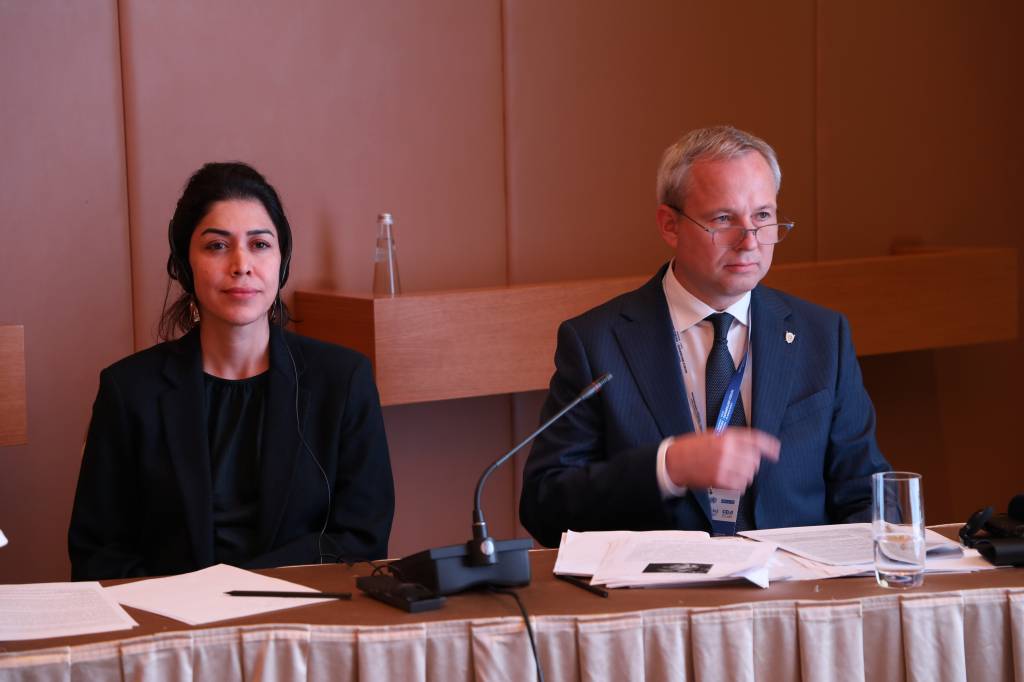
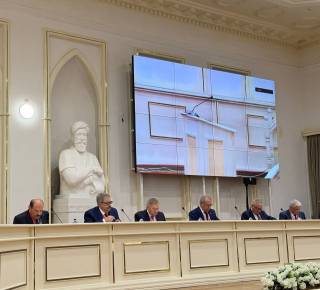
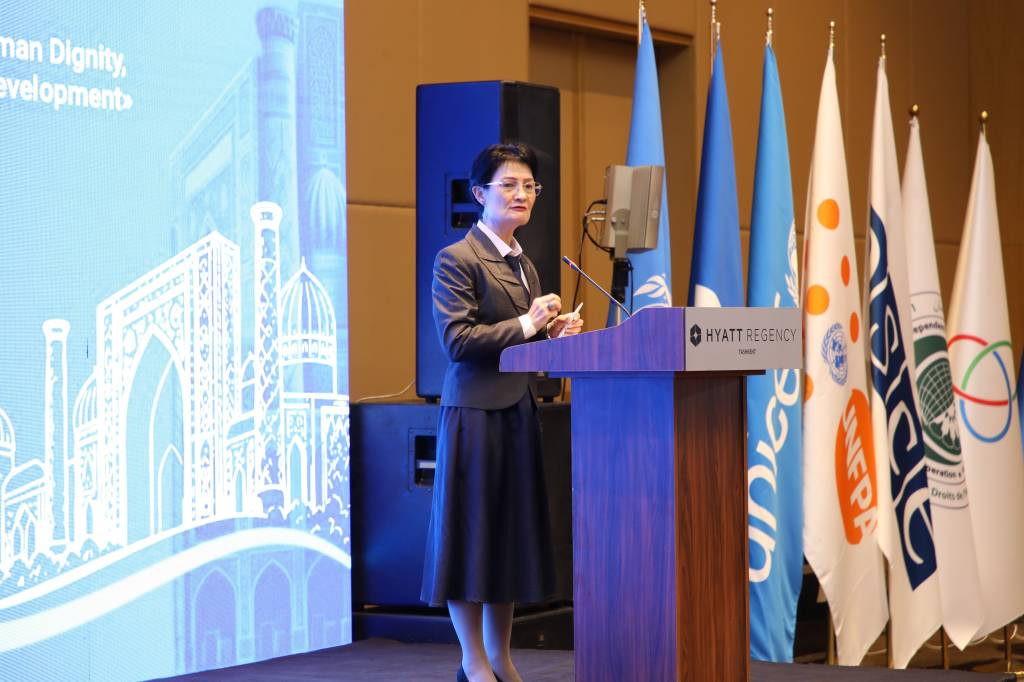
The 5th Samarkand Forum on Human Rights continued in seven parallel breakout sessions.
During the breakout session, participants discussed the 60-year experience of international human rights covenants, the significance of the right to development as a universal human right, global solidarity, and further strengthening of international and national human rights protection mechanisms in the context of current challenges.
Experts, representatives of international organizations, and national institutions considered a wide range of current human rights issues.
Economic, social and cultural rights
The first session focused on the 60th anniversary of the International Covenant on Economic, Social and Cultural Rights and the 40th anniversary of the Declaration of the Right to Development.
The participants discussed the right to education and health, decent work, social protection, and equitable economic growth. Special emphasis was placed on poverty and inequality reduction, inclusive development, international cooperation, and financing for sustainable development.
Civil and political rights
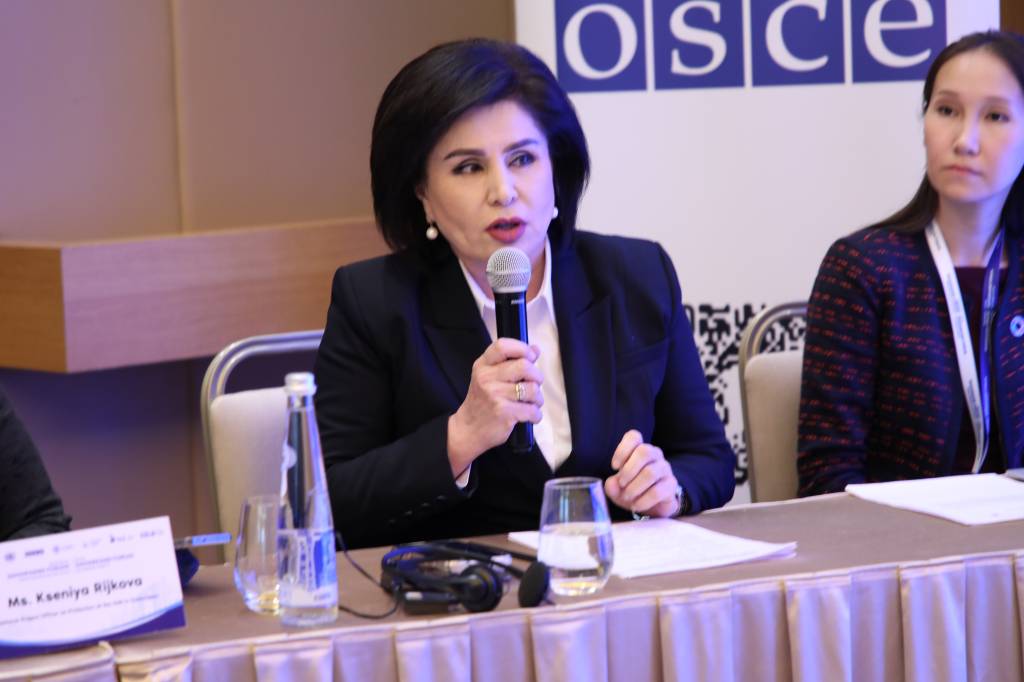
The second session focused on the 60th anniversary of the International Covenant on Civil and Political Rights, and the rule of law.
The experts reviewed the interaction between international and national law, the fulfillment of treaty obligations, the role of national courts, the prosecutor's office and the legal profession, as well as the practice of implementing the Covenant's provisions within national legal systems.
The parties also discussed the UN Human Rights Committee’s contemporary approaches to interpreting the Covenant’s provisions, as well as their integration into legal education and professional training systems.
Rights of persons with disabilities
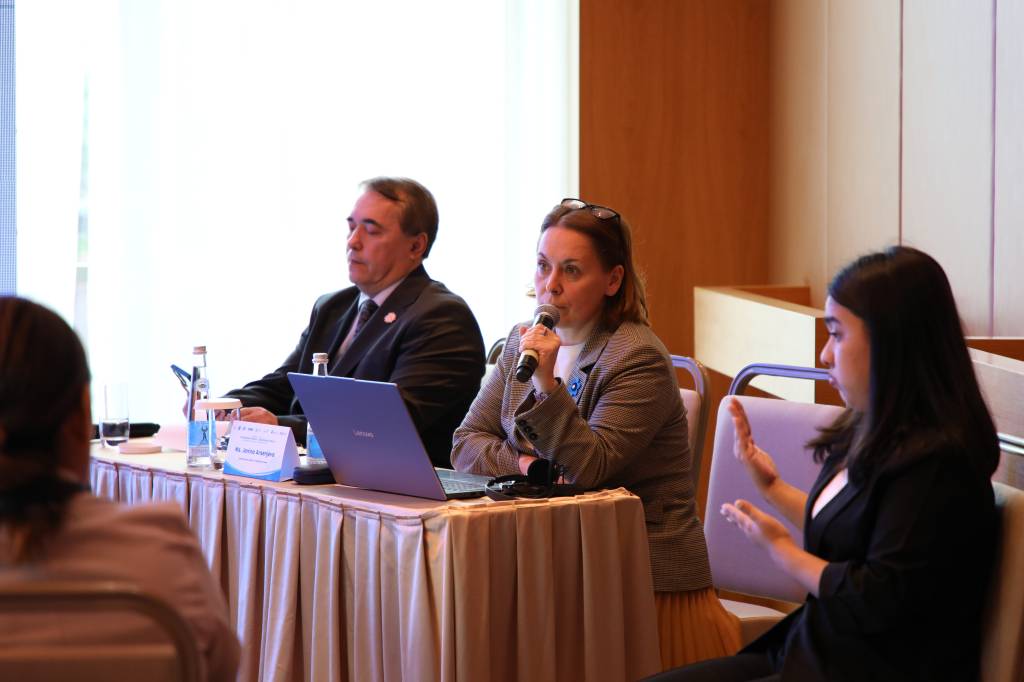
The third session focused on the 20th anniversary of the Convention on the Rights of Persons with Disabilities. The discussions focused on equality, non-discrimination, accessibility, inclusive education, employment, and social protection. Participants also discussed access to justice, independent living, community participation, digital inclusion, assistive technologies, and the use of artificial intelligence.
Demographic sustainability
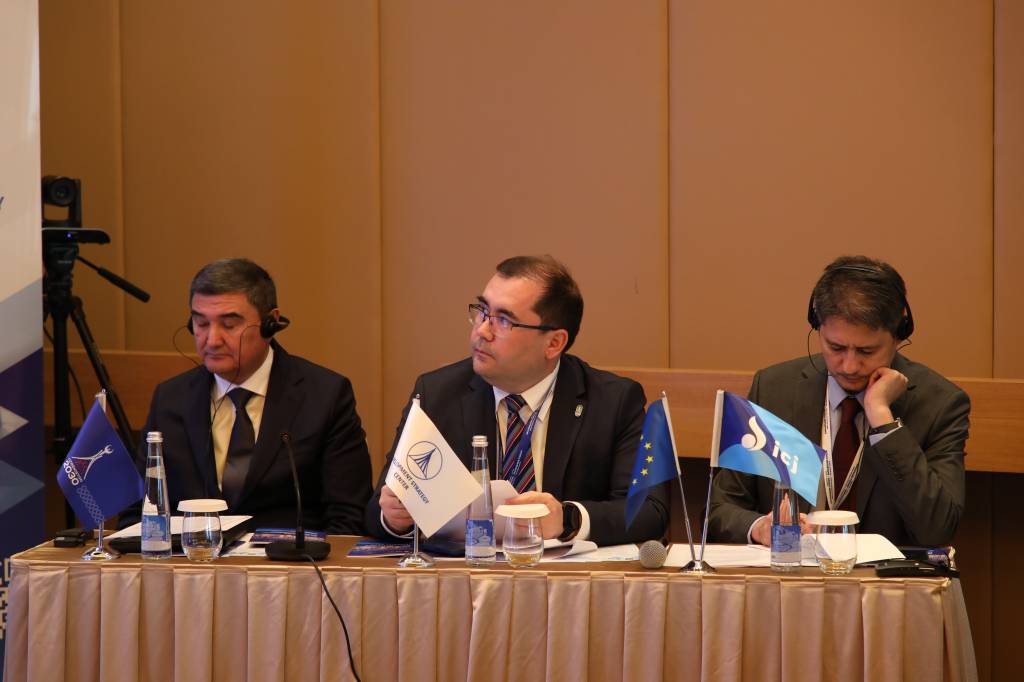
The fourth session considered demographic sustainability, human capital, and the wellbeing of current and future generations.
The participants discussed the impact of demographic changes, including population aging, on public policy, the labor market, social protection, and regional development. The session also highlighted investments in education, healthcare, future skills, and human capital development.
Women's rights, gender equality and climate justice
The fifth session focused on women’s rights, gender equality, and climate justice. Issues of fulfilling international obligations in protecting women's rights, expanding their economic opportunities, and access to natural resources, food, water, and medical services were considered during the discussions.
The focus is on women’s role in decision-making, preventing discrimination and violence, and expanding their access to technology, education, and innovation.
Artificial intelligence, digital technologies and human rights
The sixth session focused on the ethical and legal regulation of artificial intelligence, digital technologies, and their impact on human rights.
Experts discussed the transparency and accountability of artificial intelligence systems, privacy protection, freedom of expression and access to information, and the risks of algorithmic discrimination and the digital divide.
The possibilities and risks of using artificial intelligence in public administration and the justice system, as well as the humanitarian aspects of its use in modern armed conflicts were also considered.
Preventing statelessness
The seventh session was timed to coincide with the 65th anniversary of the Convention on the Reduction of Statelessness. Participants discussed the Central Asian states’ results in preventing and reducing statelessness, exchanged experiences, and considered further areas of regional cooperation.
Particular attention was paid to the role of the Ashgabat Declaration, cooperation with international organizations and civil society institutions, and practical measures to further implement international standards.
The breakout sessions continued a substantive dialogue on current human rights challenges and possible avenues for international and regional cooperation. According to the National Center for Human Rights of the Republic of Uzbekistan, the final breakout session of the 5th Samarkand Forum on Human Rights will take place in Samarkand.
Nazokat Usmanova, UzA