Prospects for aviation industry development in Uzbekistan and Central Asia
The development of civil aviation in Uzbekistan, the expansion of international air routes, the modernization of airport infrastructure and the renewal of aircraft fleets are crucial to the sector’s continued progress. Uzbekistan’s location along major transport corridors connecting Europe and Asia creates additional opportunities in the regional aviation market.
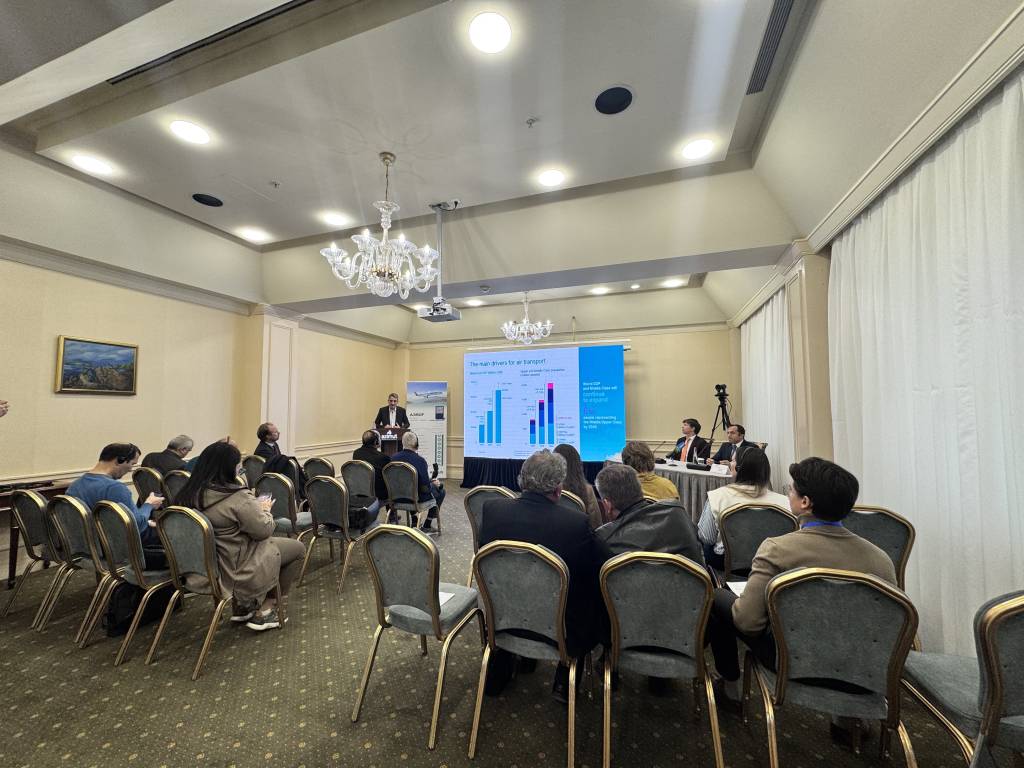
What changes can be expected in Central Asia’s aviation market over the next 20 years, and what opportunities will these developments create for Uzbekistan? Jerome Chaptal, Director for Strategic Analysis and Global Market Forecast at Airbus, shared his forecasts during a presentation in Tashkent:
– First of all, I would like to discuss trends in the global aviation market. Despite various economic crises and global changes, the air transport sector continues to grow steadily. Aviation plays an important role not only in economic development and international trade, but also in tourism, education, science and cultural ties.
A significant proportion of international tourist trips are made by air. Aviation also contributes to scientific progress, facilitates international conferences and strengthens educational ties.
Airbus forecasts that air traffic in Central Asia will nearly triple by 2045. According to its latest Global Market Forecast, air traffic in Central Asia, including flights to, from and within the region, is expected to grow at an average annual rate of 5.1% over the next 20 years. Revenue passenger kilometers (RPK) are projected to increase almost threefold, from 89 billion in 2025 to 242 billion by 2045.
Sustained economic and demographic factors will drive growth in Central Asia’s aviation market. By 2045, the middle-class population in Kazakhstan, Kyrgyzstan, Tajikistan, Turkmenistan and Uzbekistan is expected to increase by 26 million, reaching 80 million. Average annual GDP growth of 3.8%, an increase of 15 million in the urban population and annual trade growth of 3.1% are expected to contribute to rising incomes.
As a result, the number of flights per capita in the region is expected to double by 2045 nearly.
Intra-regional routes will account for the largest share of air traffic, while the fastest growth is expected on routes connecting Central Asia with China, Europe and the CIS countries.
Central Asia’s strategic position along the Middle Corridor is strengthening its role as a key trade link between Europe and Asia. Airlines across the region are expanding their route networks and modernizing their fleets to meet growing passenger demand and improve operational efficiency.
The scale of fleet modernization in the region is reflected in the rapid increase in the share of new-generation aircraft, which has risen from 0% to 42% over the past decade and is projected to reach 86% by 2035.
Overall, the next 20 years are expected to be a period of rapid growth for Central Asia’s aviation industry. Uzbekistan’s strategic location, developing economy and increasing passenger traffic are creating new opportunities in the regional aviation market.
Interviewed by Nasiba Ziyodullayeva, UzA