Proposals reviewed to improve the efficiency of the Tashkent Metro system
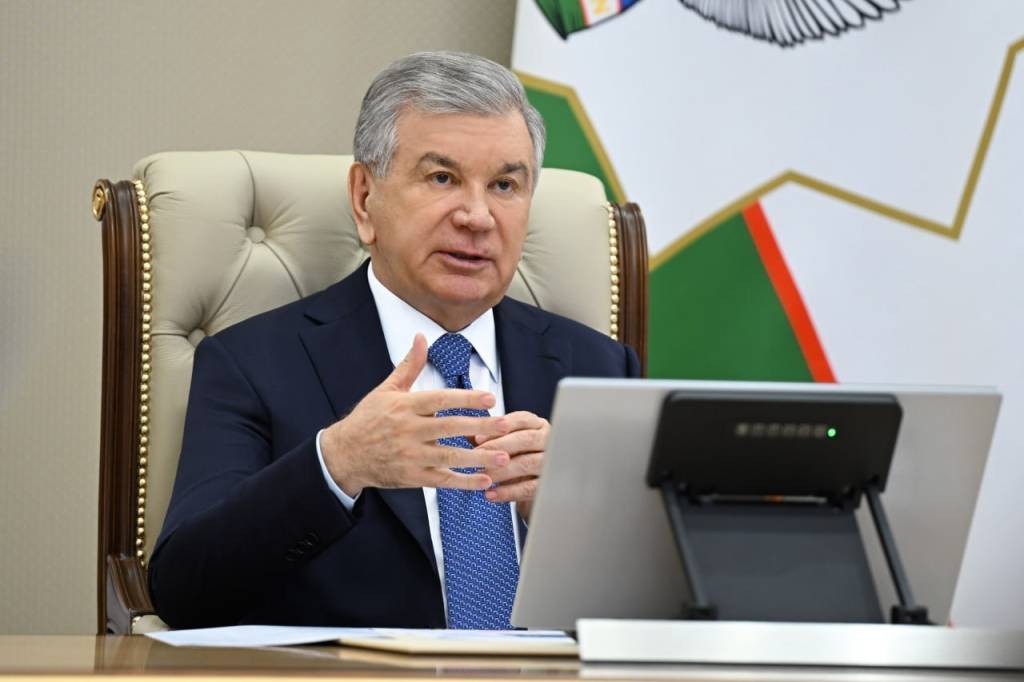
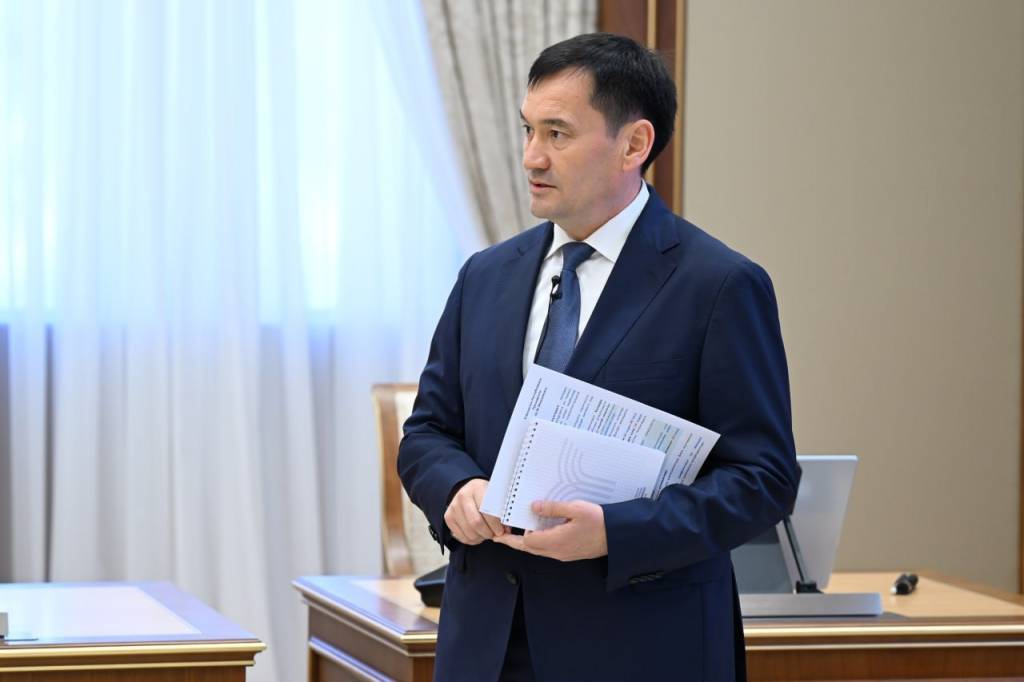
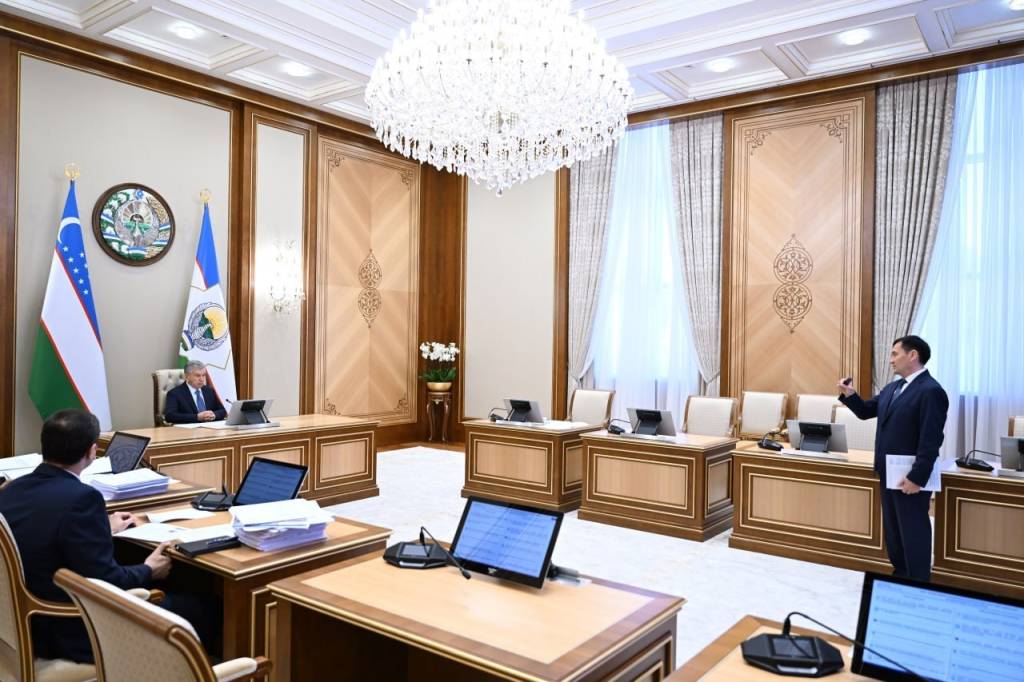
President Shavkat Mirziyoyev reviewed a presentation of proposals to ensure service quality and passenger safety and to improve the efficiency of infrastructure use in the Tashkent Metro.
The growth in the number of residents and visitors to the capital, the expansion of the city, and the increasing demand for public transportation require elevating metro development to a new level. To this end, the task has been set to increase daily metro passenger traffic to 1.8 million by 2030, raise the number of stations to 79, and extend the lines to 103 kilometers. In addition, it is planned to reduce train intervals to 1.5-3 minutes gradually.
Several measures are planned to improve the metro’s infrastructure and support its financial recovery. In particular, during 2026-2028, measures will be taken to improve service quality and modernize the technical base of civil protection facilities.
To strengthen passenger safety, it has been proposed to install glass protective barriers on the platforms at the Shakhristan metro station as a pilot project. According to international experience, such barriers can reduce platform accidents by 80-90 percent. In addition, they increase revenue by creating additional advertising space.
Another important area is the construction of new lines. In particular, design and estimate documentation for the Mingurik – Chilanzar Clothing Market metro line is planned. The possibility of building the Mingurik – Southern Railway Station route in the first stage and the Southern Railway Station – Chilanzar Clothing Market route in the second stage will be studied.
Special attention was given to generating additional revenue sources in the metro. Plans include leasing digital advertising space in train cars and on platforms to the private sector through auctions, placing vending machines and small retail outlets at stations, and organizing parking lots near metro stations. In addition, it was proposed to lease vacant buildings and premises to entrepreneurs through auctions as coworking spaces and small offices.
To ensure convenient transfers between road transport and the metro system, a Park & Ride system was proposed.
During the presentation, issues related to fleet renewal and the construction of an electric depot were also discussed. From 2027 to 2030, proposals will be developed for the purchase of the necessary metro rolling stock. In this regard, the required land plot will be allocated for constructing an electric depot for the new rolling stock.
In addition, a strategy for the Tashkent Metro for 2027-2035 is planned. It will include tasks to double the metro network, increase passenger traffic by 2.5 times, create an environmentally sustainable, energy-efficient, and safe transport system, and improve service quality and passenger comfort.
Proposals were also put forward to improve the fare payment system. Taking into account international experience, the feasibility of introducing distance-based payment systems, providing benefits for certain population groups, and offering daily, weekly, and monthly passes will be studied.
The President emphasized that in a large city, public transportation, especially the metro, is a key component of infrastructure. In this regard, the need for the coordinated development of service quality, safety, financial sustainability, and modern management was noted. The proposals presented were approved, and responsible officials were instructed to implement them.
UzA