Penalties for violating nuclear safety regulations will be increased
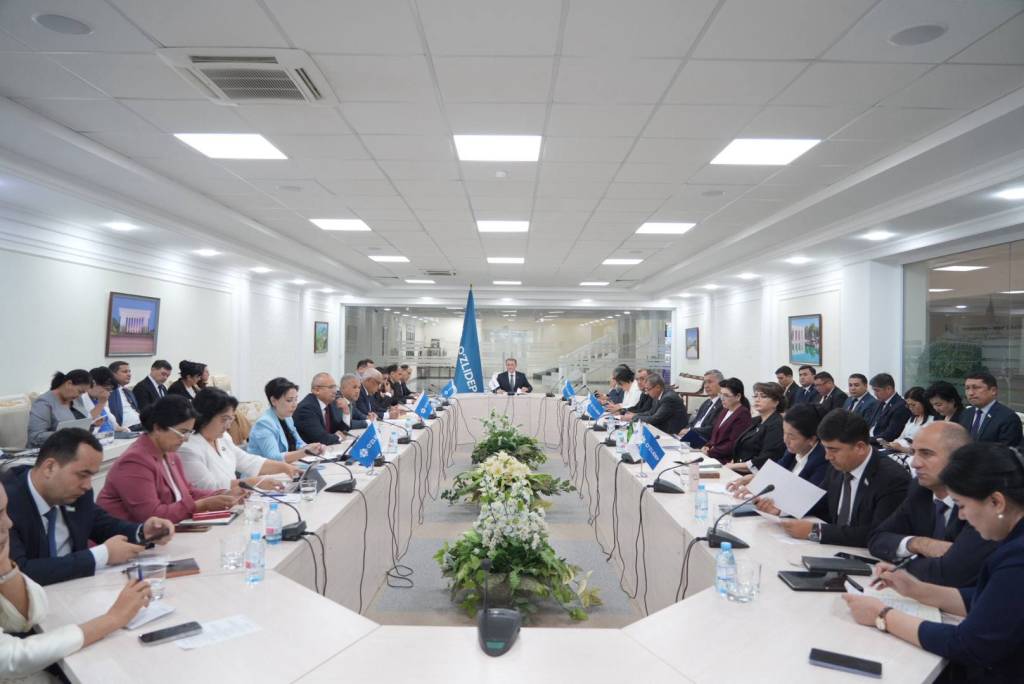
The UzLiDeP faction in the Legislative Chamber of the Oliy Majlis held its regular meeting. The agenda included the discussion of several draft laws and matters of parliamentary oversight.
In particular, the draft law "On Amendments and Additions to Certain Legislative Acts of the Republic of Uzbekistan in Connection with the Improvement of Legislation in the Fields of Industrial, Radiation, and Nuclear Safety" was reviewed in its second reading.
As noted, further improving state oversight in the fields of industrial, radiation, and nuclear safety, and ensuring compliance with legislative requirements, are among the key tasks of today. Alongside the modernization of industrial sectors and the commissioning of new production facilities, the need to align the system of state administration and control with international standards and strengthen measures to prevent violations necessitates the improvement of legislation in this area.
This draft law, developed for this purpose, introduces relevant amendments and additions to certain legislative acts. Accordingly, the powers of the Committee for Industrial, Radiation, and Nuclear Safety and the Inspectorate for Control of the Mining Industry and Geology are being clarified. Additionally, the types of licenses and permits to be issued by these state bodies are being defined.
The draft also provides for strengthening administrative liability for violations of rules related to the use of atomic energy and to radiation and nuclear safety, as well as establishing a procedure for applying financial sanctions against legal entities.
The norms stipulated in the draft will serve to further clarify the legal framework for the activities of authorized bodies in the fields of industrial, radiation, and nuclear safety. At the same time, they will provide a basis for ensuring the principles of proportionality and adequacy when applying enforcement measures for violations of rules and requirements, increasing the effectiveness of state oversight, and legally reinforcing the ongoing reforms in the sector.
M. Komilova, UzA