New procedures for restoring and using pastures reviewed
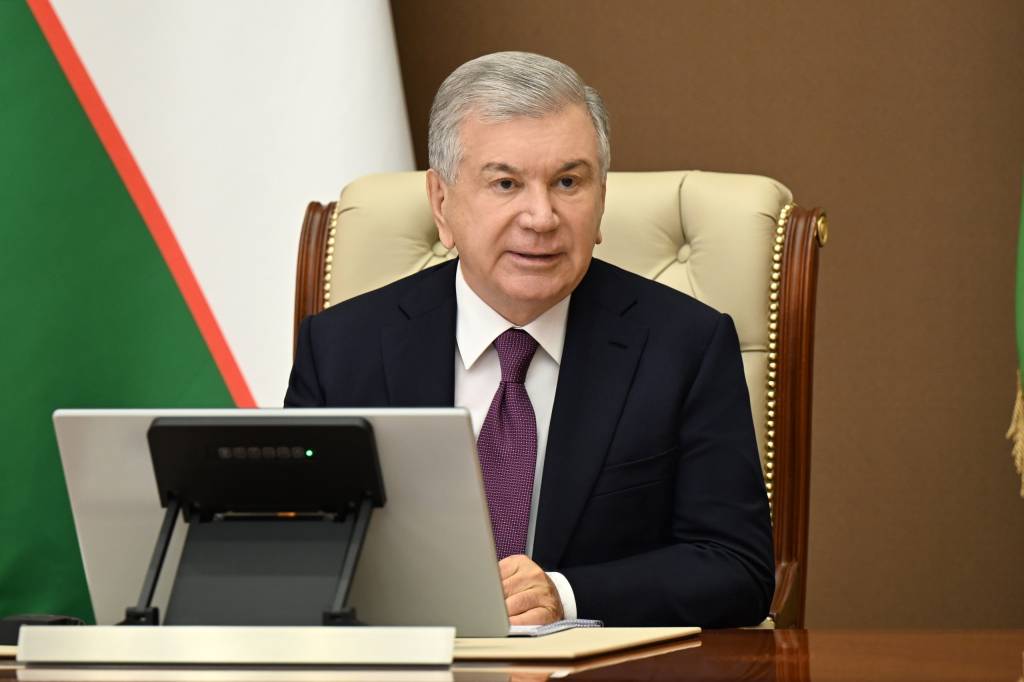
President Shavkat Mirziyoyev reviewed a presentation on preventing pasture degradation, improving water supply and ensuring the efficient use of pastures.
Uzbekistan has 21.255 million hectares of pastureland, yet only 40 percent is used effectively. The President emphasized the critical importance of fully harnessing this vast potential to ensure the country’s food security.
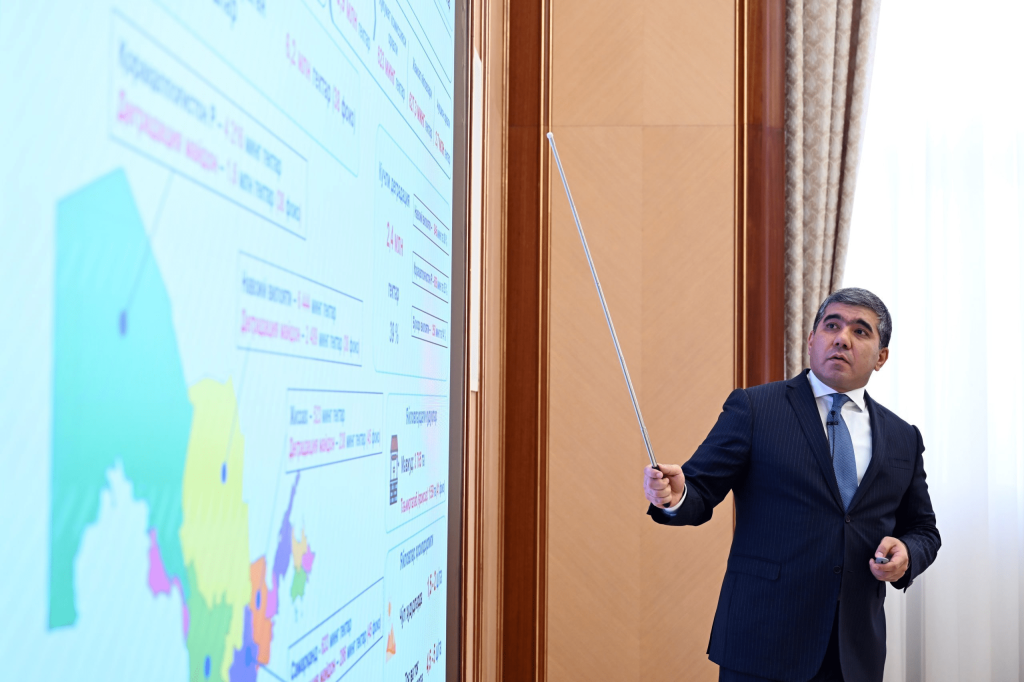
Tasks were outlined to implement the recently signed presidential resolution on the efficient use of pastures. Regional hokims were tasked with restoring 620,000 hectares of pastureland by the end of this year and 3.7 million hectares next year, while improving pasture productivity. Together with the Agency for Livestock and Pasture Development, they will approve comprehensive programs within one month to reduce the area of degraded land by 10 percent this year and 20 percent next year.
In Navoi region, the Kengsoy pumping station has been reconstructed using 30 billion UZS allocated from the local budget, and 20,000 hectares of pastureland are being brought into productive use. Taking advantage of this opportunity, 11 entrepreneurs have begun constructing water reservoirs and introducing sprinkler irrigation technologies. As a result, these areas will produce 250,000 tons of fodder annually for 60,000 head of cattle.
In Nishan district of Kashkadarya region, a center-pivot irrigation system has been introduced on 1,332 hectares of pastureland, and new fodder crops adapted to local conditions are being sown. Instructions were given to replicate this experience in Muborak and Dehkanabad districts and establish 9,400 hectares of seed production areas within a year.
Funding sources for measures to improve water supply on pastureland have also been identified. Revenue from pasture leases will remain at the disposal of regional pasture management entities. These funds will be used to drill an additional 448 wells, improving water supply to 1.5 million hectares of pastureland next year. Another 1,600 wells are also scheduled for repair by the end of this year.
In addition, 161 hydraulic structures for irrigation will be built this year using 100 billion UZS in budget funds, followed by 81 structures in each of 2027 and 2028, bringing the total to 323. This will enable the restoration of 969,000 hectares of pastureland.
The issue of formalizing the property rights of livestock farmers who have used pastureland for many years was also considered. To enable the registration of 623,000 hectares of pastureland, currently used to graze 260,000 head of livestock, in the names of the actual users, the mandate of the relevant commission will be extended until the end of the year.
Community pastures will be established for residents of remote areas who raise livestock on their household farms. By the end of the year, 627,000 hectares of pastureland will be leased free of charge to 470 mahallas for 49 years. These lands will be exempt from taxation.
Under the new procedure, the construction of livestock complexes will be permitted without changing the classification of pastureland. The starting price of land plots and land tax will be calculated according to the same rules that apply to agricultural land. In Navoi, Samarkand and Surkhandarya regions, 15 livestock complexes covering a total area of 130 hectares are planned to be built, with capacity for more than 55,000 head of livestock.
It was noted that pastureland should be used not only for livestock grazing but also for ecotourism, beekeeping, hunting and sericulture, as well as the cultivation of medicinal plants and seedlings. Leasing pastureland for these activities will therefore also be permitted. The importance of preserving pasture ecosystems and ensuring their restoration during project implementation was emphasized.
Officials were instructed to restore pastureland, strengthen water and fodder resources, and create new opportunities for residents and entrepreneurs at the local level.
UzA