Measures to address drug-related crime and enhance road safety reviewed
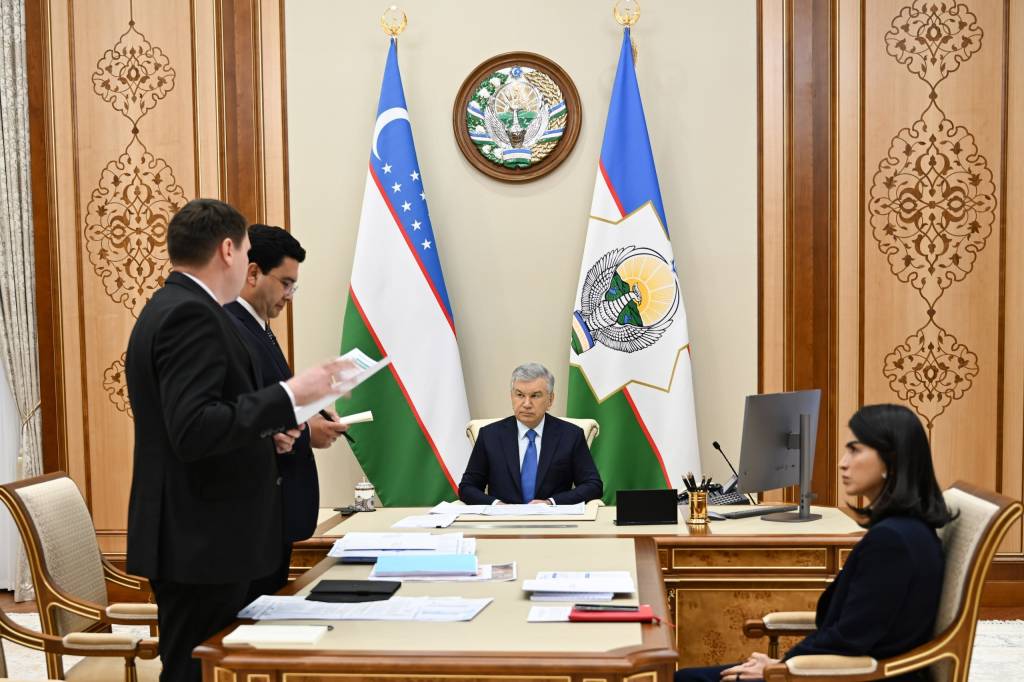
President Shavkat Mirziyoyev reviewed a presentation focused on enhancing legislation to protect public health and the nation’s gene pool from drug addiction, while also safeguarding road users.
Initially, the law’s core purpose and importance in enhancing accountability for illegal trafficking of narcotic drugs, psychotropic substances, their analogs, and potent substances were explained. Parliament then adopted the law.
The law adds a new section to the Criminal Code called “Crimes against public health and the gene pool”, which establishes stricter penalties for reckless acts that endanger public health, especially that of young people.
Given modern methods and forms of drug-related crime, separate liability is established for organizing illegal drug laboratories, facilitating illicit drug trafficking, and operating drug dens. Penalties are also being toughened for more than 10 dangerous acts.
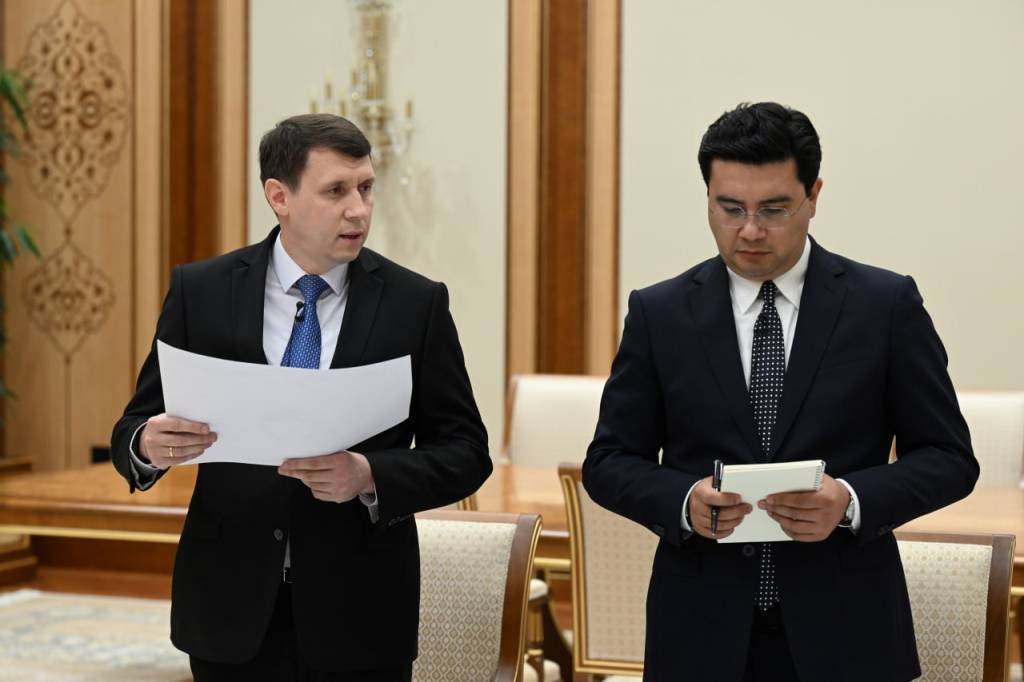
Noting that the law would provide an important legal foundation for advancing the fight against drug-related crime and for protecting public health and the nation’s gene pool, the Head of State signed it.
The presentation also included a report on the draft law “On narcotic drugs and potent substances”, prepared by an interagency working group.
It was noted that the drug situation has changed significantly in recent years: traditional narcotic drugs are being displaced by synthetic drugs. The methods of distribution have also changed, with contactless online distribution becoming increasingly common. In addition, the emergence of clandestine laboratories in the country requires a fundamental revision of the legal and organizational mechanisms in this area.
The new draft law defines seven key areas of state policy. These include building public resilience to drug addiction, particularly among women and young people, combating drug-related crimes committed online, and improving the system for early prevention, diagnosis, treatment, and medical and social rehabilitation for drug addiction.
The draft law clearly defines the responsibilities and powers of 14 government agencies directly involved in combating drug trafficking, drug addiction, and drug-related crime. State control over the lawful circulation of the relevant substances will be strengthened, and all processes, from import to sale, will be subject to continuous electronic monitoring.
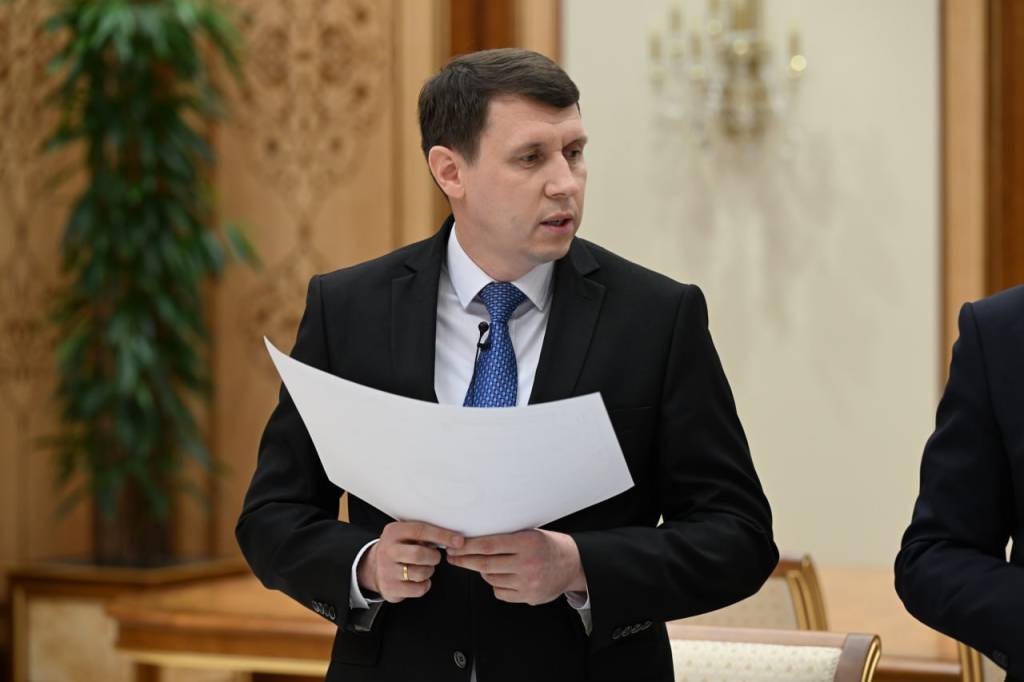
Proposals to improve the regulation of the circulation of precursors, narcotic drugs, and psychotropic substances were also considered. The importance of introducing an electronic monitoring system and strengthening interagency cooperation to combat illegal activities was emphasized.
Particular attention was given during the presentation to the prevention of road traffic accidents.
It was noted that some citizens allow minors to drive, resulting in fatal accidents and serious injuries.
In this regard, the need to ensure compliance with traffic rules through new approaches, prevent severe-consequence accidents, and strengthen liability for such violations was emphasized.
The President approved proposals to coordinate efforts against drug addiction and related crime, aiming to meet modern standards, effectively reduce the spread of this problem among youth, and ensure road safety. Responsible officials received the relevant instructions regarding the issues discussed.
UzA