How does SPIEF contribute to international cooperation?
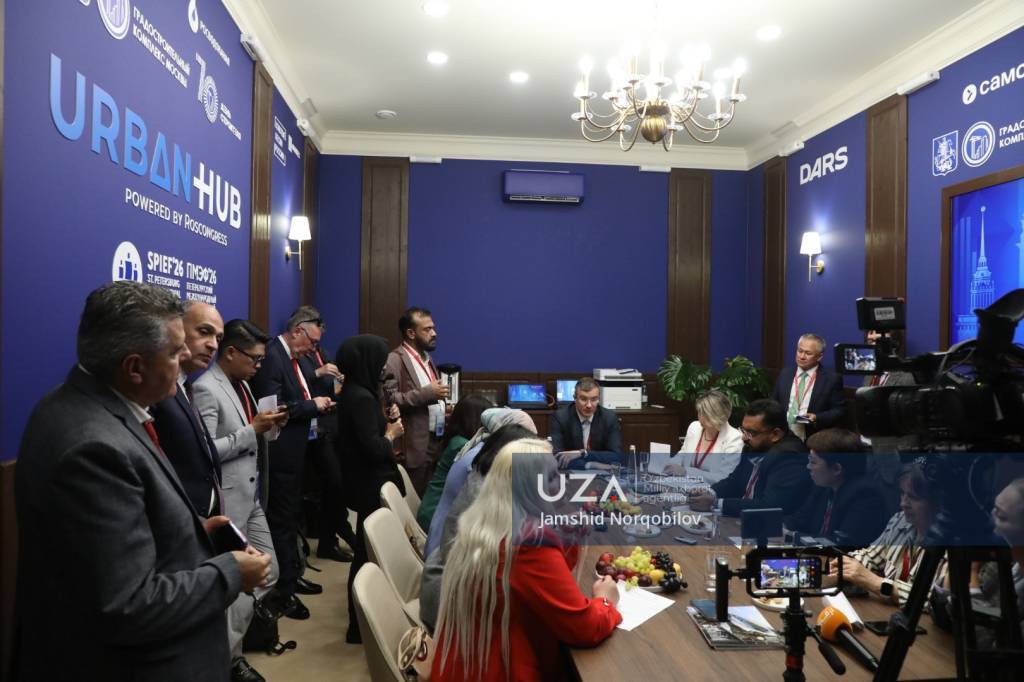
The organizers of the St. Petersburg International Economic Forum (SPIEF) held a press conference at which they revealed details of preparations for the forum, its priorities, and main areas of focus.
According to Alexey Valkov, Deputy Director of the Roscongress Foundation and Director of SPIEF, a key difference between the forum and other global economic platforms is its absolute openness to constructive proposals. The business, partner, and invitation programs are shaped by the Organizing Committee based on initiatives submitted directly by businesses and the expert community. The organizers are guided by figures from previous years, when the forum brought together 24,000 participants from 141 countries. The current registration pace confirms that the event’s scale remains consistently high.
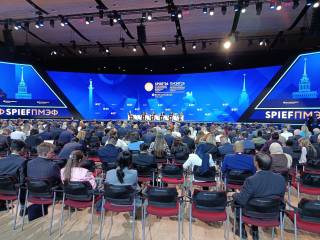
Each year, more than 30 halls for the business program and numerous meeting rooms are set up for the event. The high level of infrastructure use demonstrates the demand for the platform. According to the organizers, if the available space allowed for even more venues to be deployed, they would still be fully occupied by discussions and sessions.
This year, the forum’s main theme “Pragmatic Dialogue: The Path to a Stable Future” fully reflects current global developments. Amid the restructuring of financial systems, the creation of new logistics chains, and major geopolitical shifts, the world urgently needs honest and reliable partners ready to work on mutually beneficial terms.
That is why the business program’s architecture is published only a few weeks before the forum begins. This helps ensure that the discussions are as sharp as possible and closely aligned with the current global agenda.
The organizers emphasize that the key objective of SPIEF is its practical focus. The forum is held so that each category of participants can achieve specific goals. Businesses conclude new contracts, agreements, and memoranda of understanding (MOUs) here, officials conduct high-level dialogue in a comfortable and safe environment, experts and opinion leaders exchange ideas and shape the agenda, and journalists receive exclusive materials and authoritative comments.
The special status of the forum’s practical results is underscored by the fact that, after the discussions and the plenary session, the President of the Russian Federation traditionally approves a list of specific instructions.
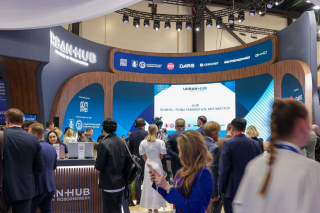
Uzbekistan and Kyrgyzstan have traditionally been active at the forum. This year, the Kyrgyz Republic is represented at SPIEF for the first time with its own large-scale national stand. In addition, Roscongress is actively developing bilateral cooperation at foreign venues, including support for business forums in Issyk-Kul.
The heads of several states are scheduled to participate in the forum’s key events – the opening and plenary sessions.
[gallery-29786]
Roman Bondarchuk, UzA
Saint Petersburg