Digital transformation in Uzbekistan’s science
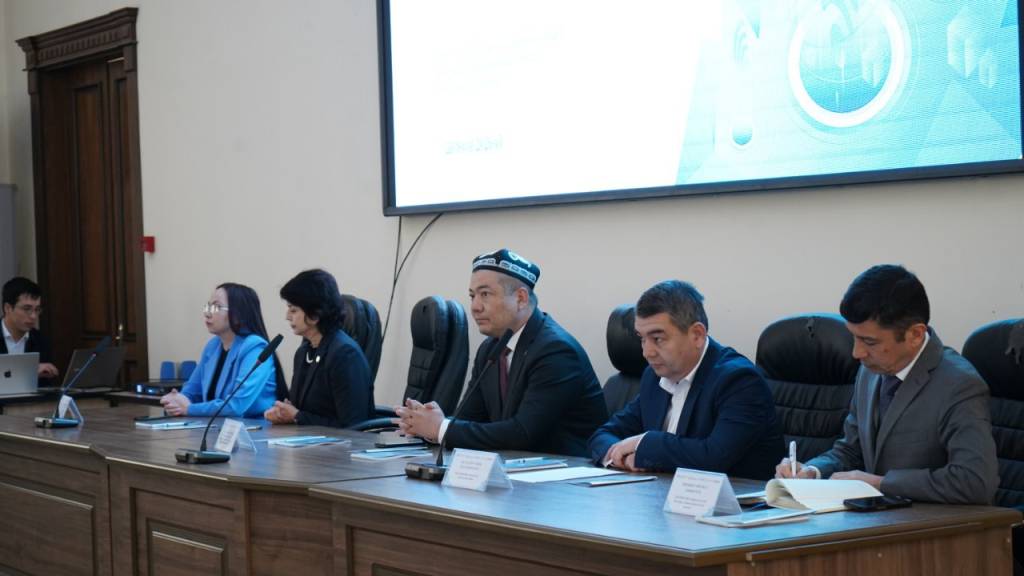
Tashkent hosted a national seminar titled “Digital platforms and efficiency in modern scientific research” through the cooperation of the Association of Scientific Researchers and Innovators and the company Science and Innovation.
This seminar emerged as an important strategic dialogue platform to accelerate digital transformation processes in the development of science in the country.
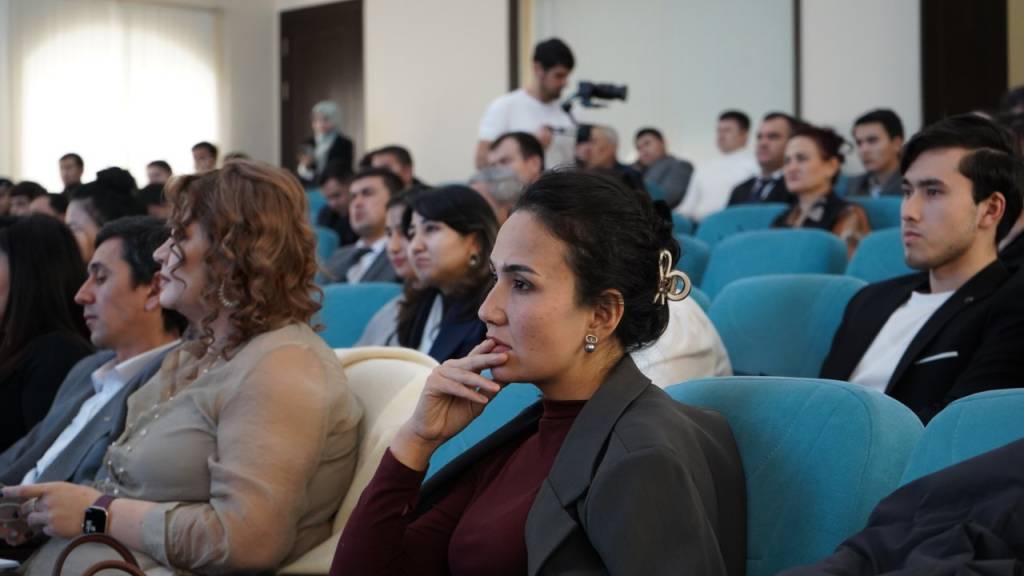
Currently, the rapid publication of scientific results, open data exchange, transparent evaluation criteria, and international integration have become key factors in advancing science.
The seminar was devoted specifically to the systematization of these processes and to issues of improving scientific infrastructure in line with modern requirements.
At the event, Bakhtiyor Rustamov, Founder and CEO of Science and Innovation, emphasized the need to digitize scientific journal workflows and improve management systems. He noted that scientific platforms are not merely technical tools but an infrastructure that manages the scientific ecosystem.
Diana Abdumuminova, the regional representative of the company Clarivate in Uzbekistan, provided information on international indexing systems, particularly the evaluation criteria of the “Web of Science” platform. This is considered an important step in bringing local scientific publications into the global scientific arena.
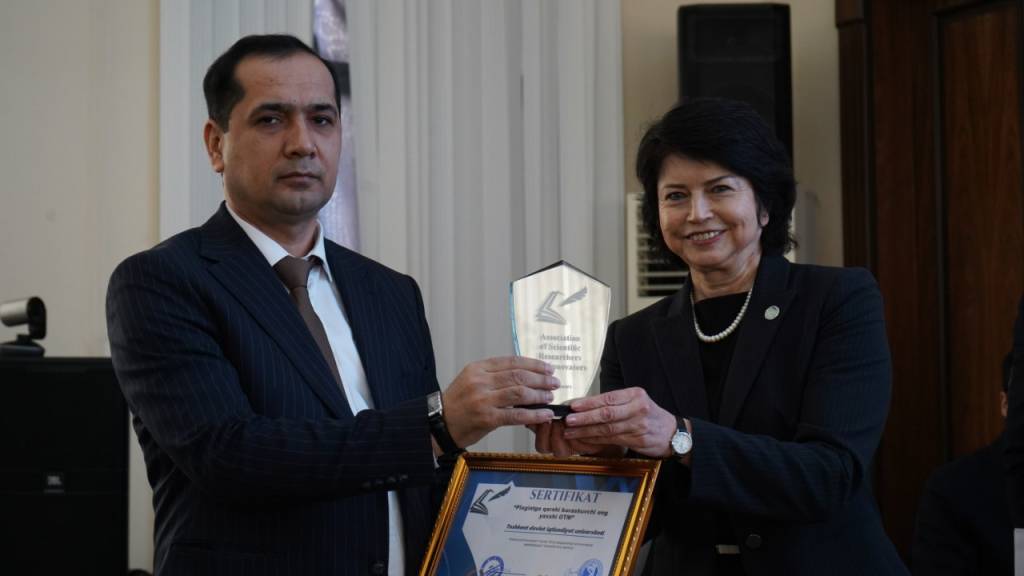
Within the framework of the seminar, winners were selected across six nominations and ceremonially awarded.

In addition, the most active author, the most exemplary journal, and the authors with the highest h-index in the “Web of Science” database were also awarded. Such initiatives strengthen the principles of healthy competition and the pursuit of quality within the scientific community.
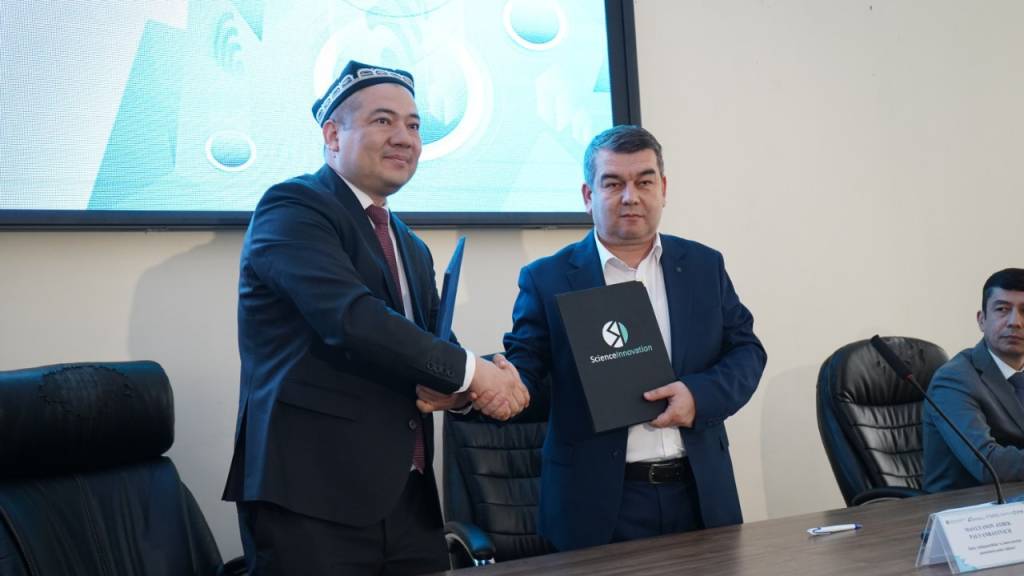
Within the framework of the seminar, a Cooperation Memorandum was signed between Science and Innovation and the Association of Scientific Researchers and Innovators. This document strengthens cooperation in developing scientific infrastructure, integrating platforms, and coordinating scientific processes.
This agreement serves to develop the national scientific ecosystem along a unified strategic direction, implement international standards, and enhance the global visibility of scientific results.
Rich in active discussions and debates, the seminar marked an important step toward accelerating digital transformation processes in Uzbekistan’s science, shaping a scientometric culture, and strengthening academic principles.
If these initiatives continue, there is no doubt that the scientific infrastructure will adapt to modern international standards, further strengthening the position of Uzbekistan’s scientists within the global scientific community.
Dildora Dusmatova, UzA