Central Asia and the South Caucasus: emerging strategic prospects for interregional cooperation

An international conference on “Central Asia and South Caucasus Connectivity: What Lies Ahead?” was recently held at the International Institute for Central Asia (IICA) in Tashkent, in cooperation with the Georgian Foundation for Strategic and International Studies (GFSIS) and Germany’s Friedrich Ebert Foundation (FES).
The conference brought together representatives of government agencies, international financial institutions and the diplomatic corps, as well as researchers from leading think tanks in Central Asia, the South Caucasus, Europe and the United States.
Participants discussed the development of transport corridors, the simplification of transit procedures and prospects for industrial and energy cooperation between the two regions.
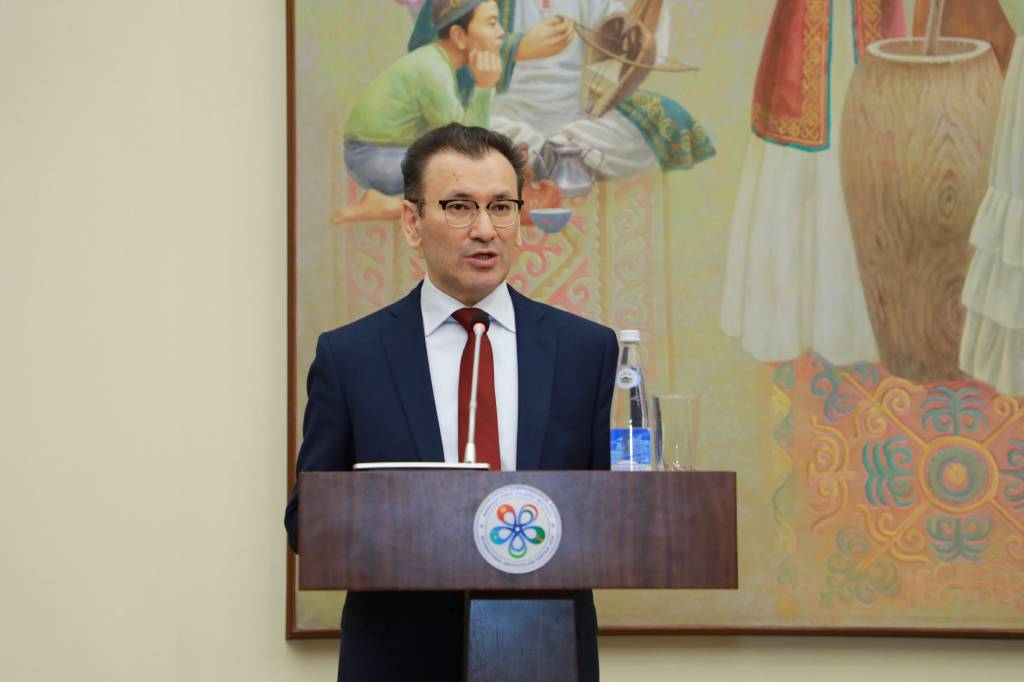
Opening the conference, IICA Director Javlon Vakhabov emphasized that geopolitical shifts are creating new opportunities for Central Asia and the South Caucasus. He noted that while countries in both regions were previously viewed primarily as transit links between major markets, they now have greater opportunities to independently determine their trade routes and economic cooperation priorities.
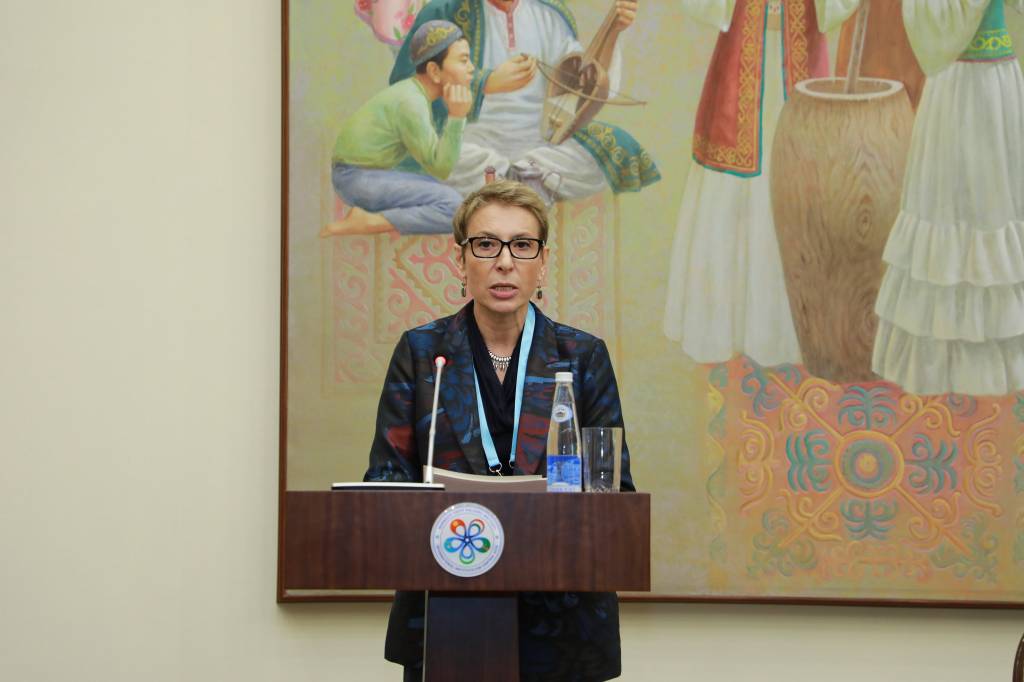
Ekaterine Metreveli, President of the Georgian Foundation for Strategic and International Studies (GFSIS), noted that ongoing geopolitical changes are bringing the interests of Central Asia and the South Caucasus closer together, creating favorable conditions for deeper cooperation in security, trade and transport.
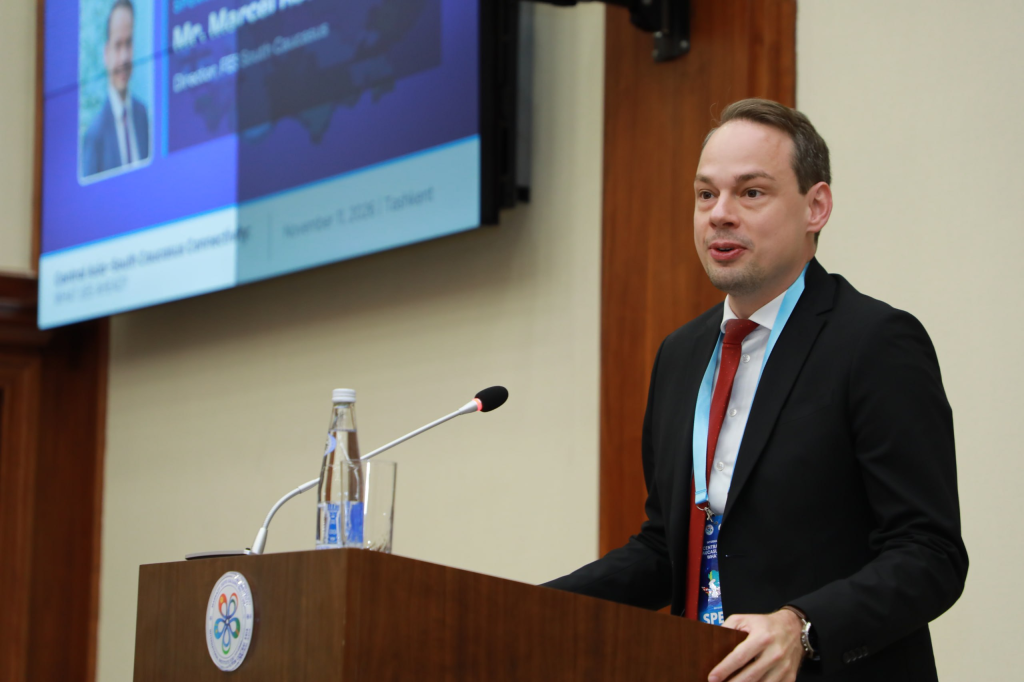
Marcel Röthig, Director of the Friedrich Ebert Foundation's South Caucasus Office, stated that Germany and other European countries are interested in seeing Central Asia and the South Caucasus as stable and independent partners. In his view, developing transport corridors should deliver tangible benefits to countries in both regions, including the creation of new jobs and improvements in living standards.
Following the conference, participants agreed that developing transport corridors should go hand in hand with efforts to expand trade and industrial ties between Central Asia and the South Caucasus, remove existing barriers, and attract investment.
U. Alimov, UzA