Architectural decorations from the Samanid era discovered
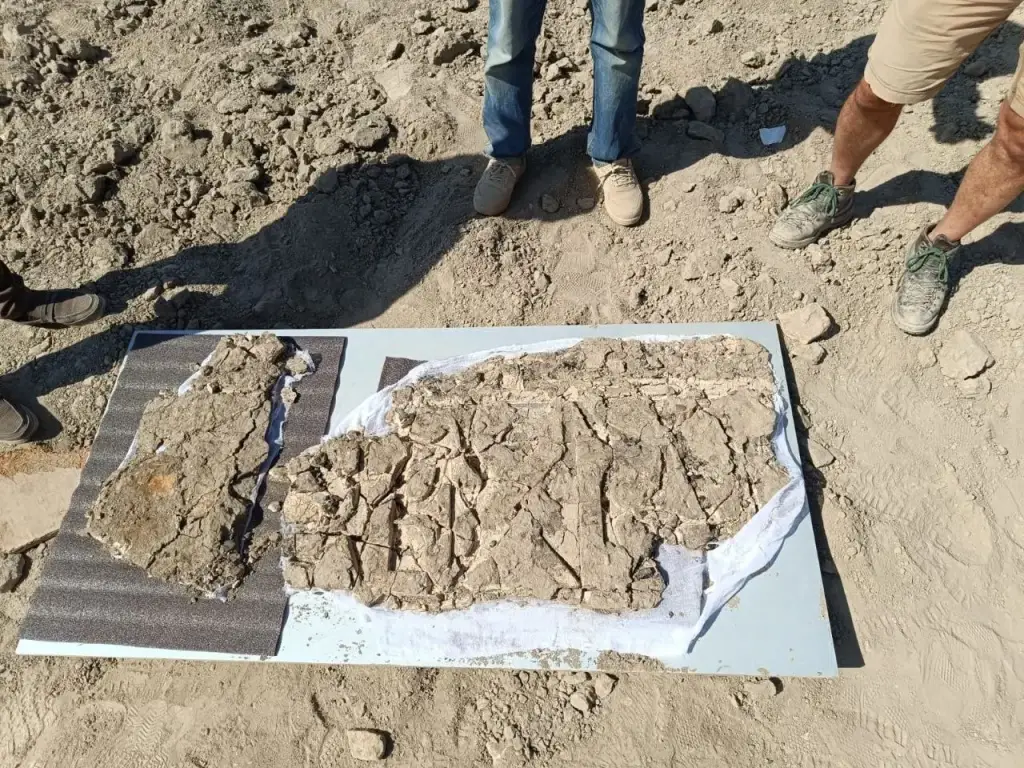
Researchers discovered an important archaeological find from the Samanid era during ongoing work at the Shahristan archaeological site in Bukhara.
In particular, studies by the Uzbekistan–United States international archaeological expedition revealed that the finds are fragments of stucco panels with Kufic inscriptions that were part of a mosque’s architectural decoration.
The expedition also includes archaeologists from Russia and Iran, along with artists, draftsmen, and staff from the Bukhara State Museum-Reserve, working alongside specialists from Uzbekistan and the United States.
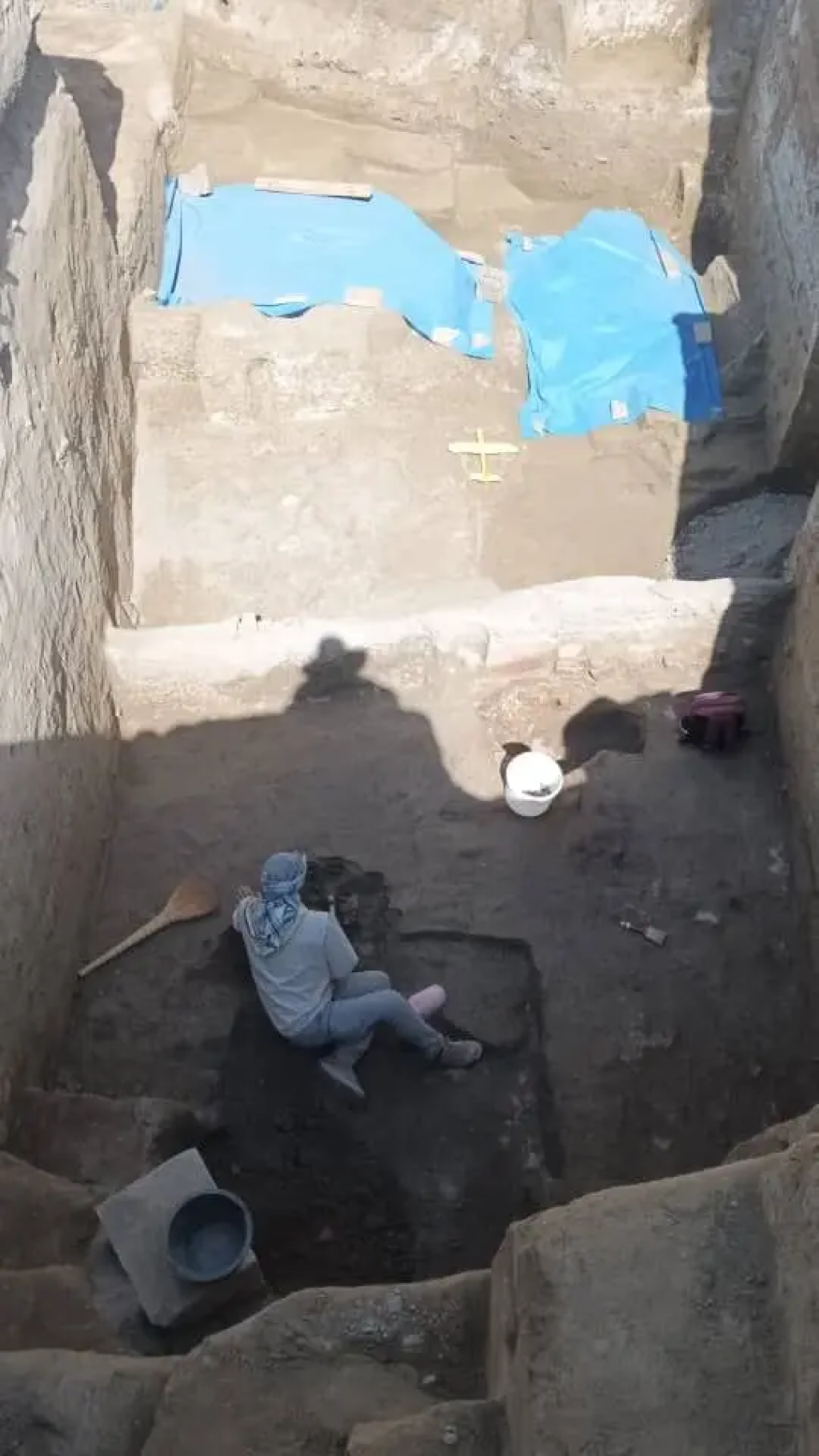
Expedition leader Jamoliddin Mirzahmedov said the discovered stucco panel fragments are damaged and poorly preserved. Specialists are carrying out restoration and conservation work to preserve them.
Experts say the discovery could serve as an important scientific resource for studying Bukhara’s architecture during the Samanid era, particularly its stucco-carving and epigraphic-decorative traditions.
Excavations are ongoing at the Shahristan archaeological site, alongside efforts to stabilize, conserve, and scientifically study the architectural stucco decorations that have been uncovered.
Hamroz Bayonov, UzA