An animated film must teach kindness
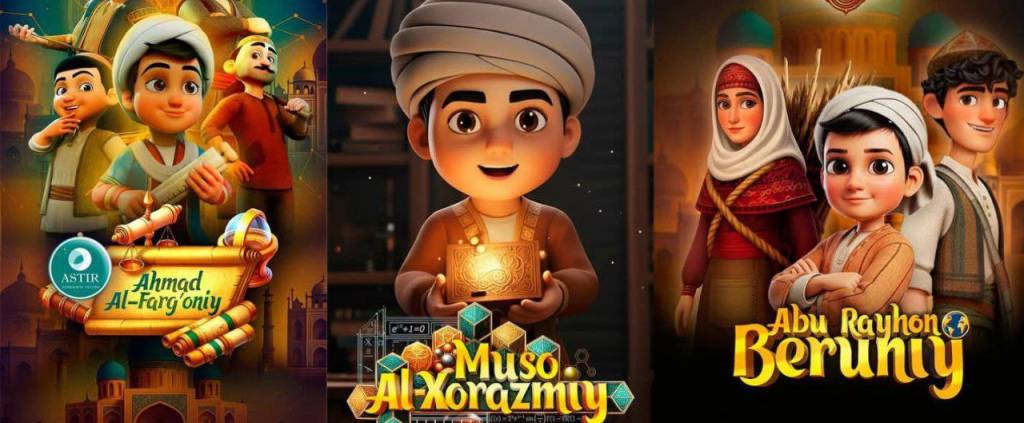
Animated films play an important role in creating quality content for children.
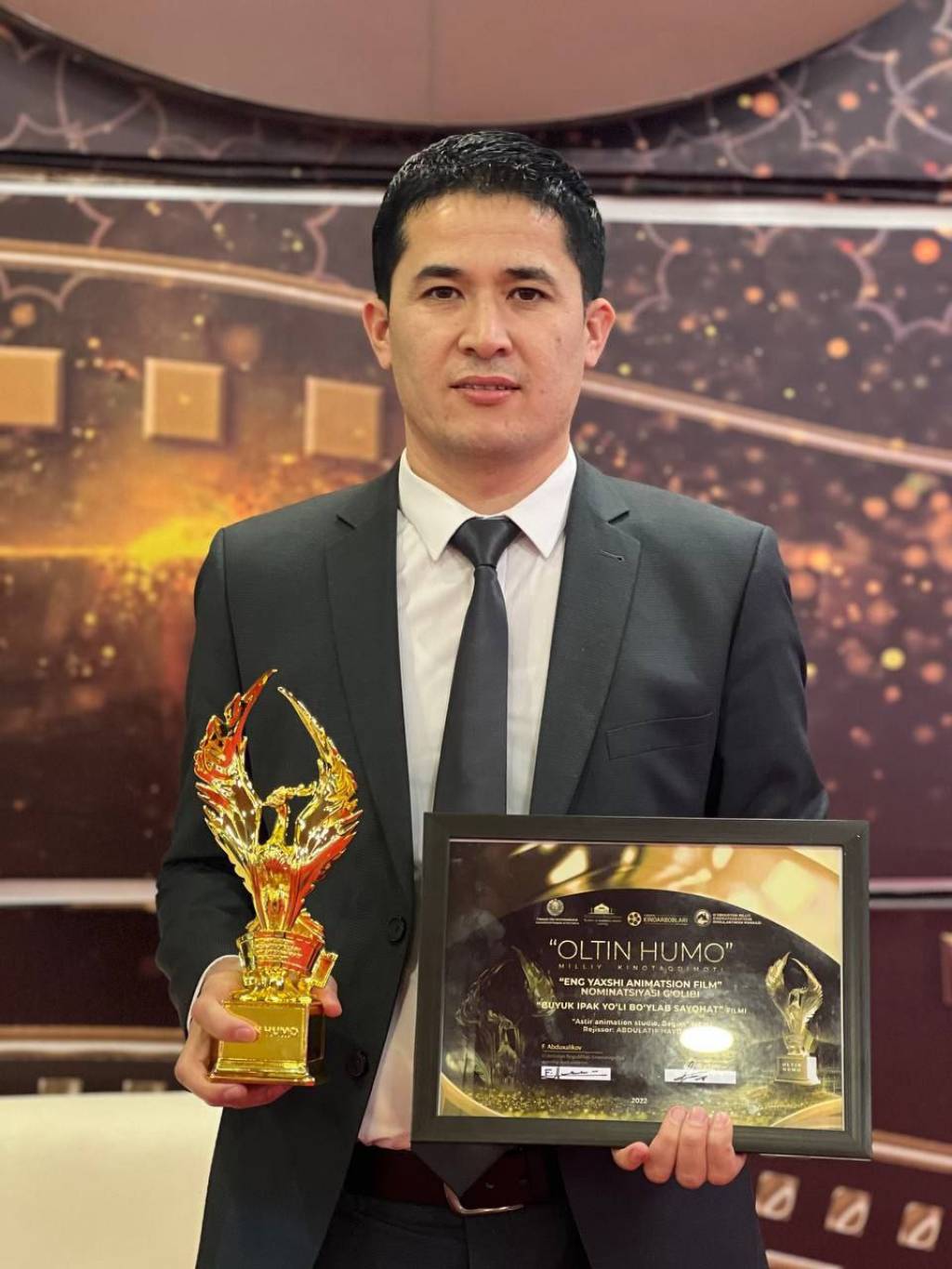
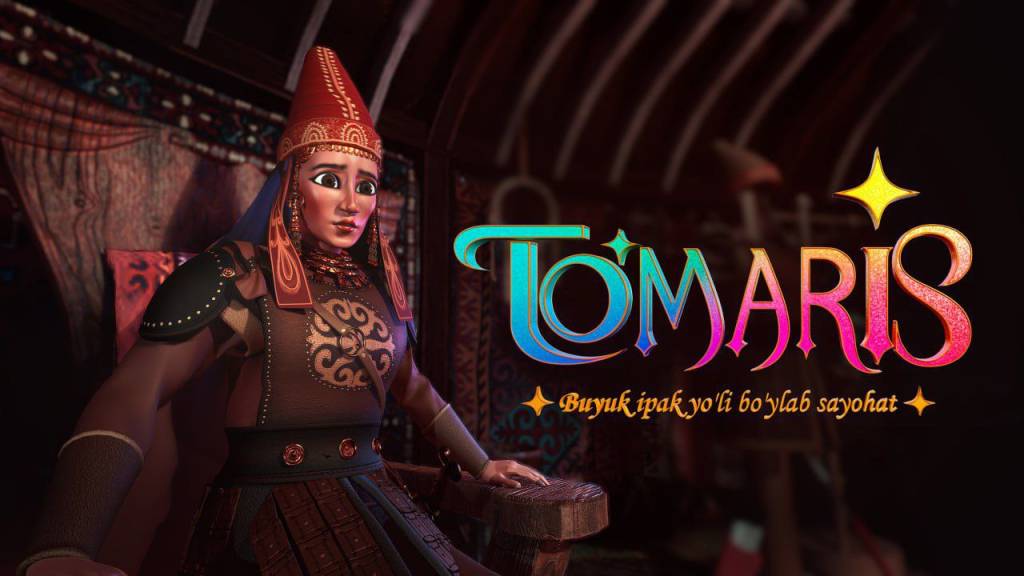
The cartoons “Automobile Adventures”, “The Greedy Grocer”, “Journey along the Great Silk Road”, “Tomaris”, “The Legend of Shirak”, “Temur’s Childhood”, “The Clever Girl”, “Eco-Heroes”, “The Lamb and the Foal”, “Spitamen and Alexander”, and “The Adventures of a Sparrow”, produced by creative teams of the Association of Animation Studios of Uzbekistan, demonstrate that many films for children are being released in the country’s film industry.
On this topic, UzA correspondent spoke with Abdulatif Khaydarov, Head of the Association of Animation Studios of Uzbekistan.
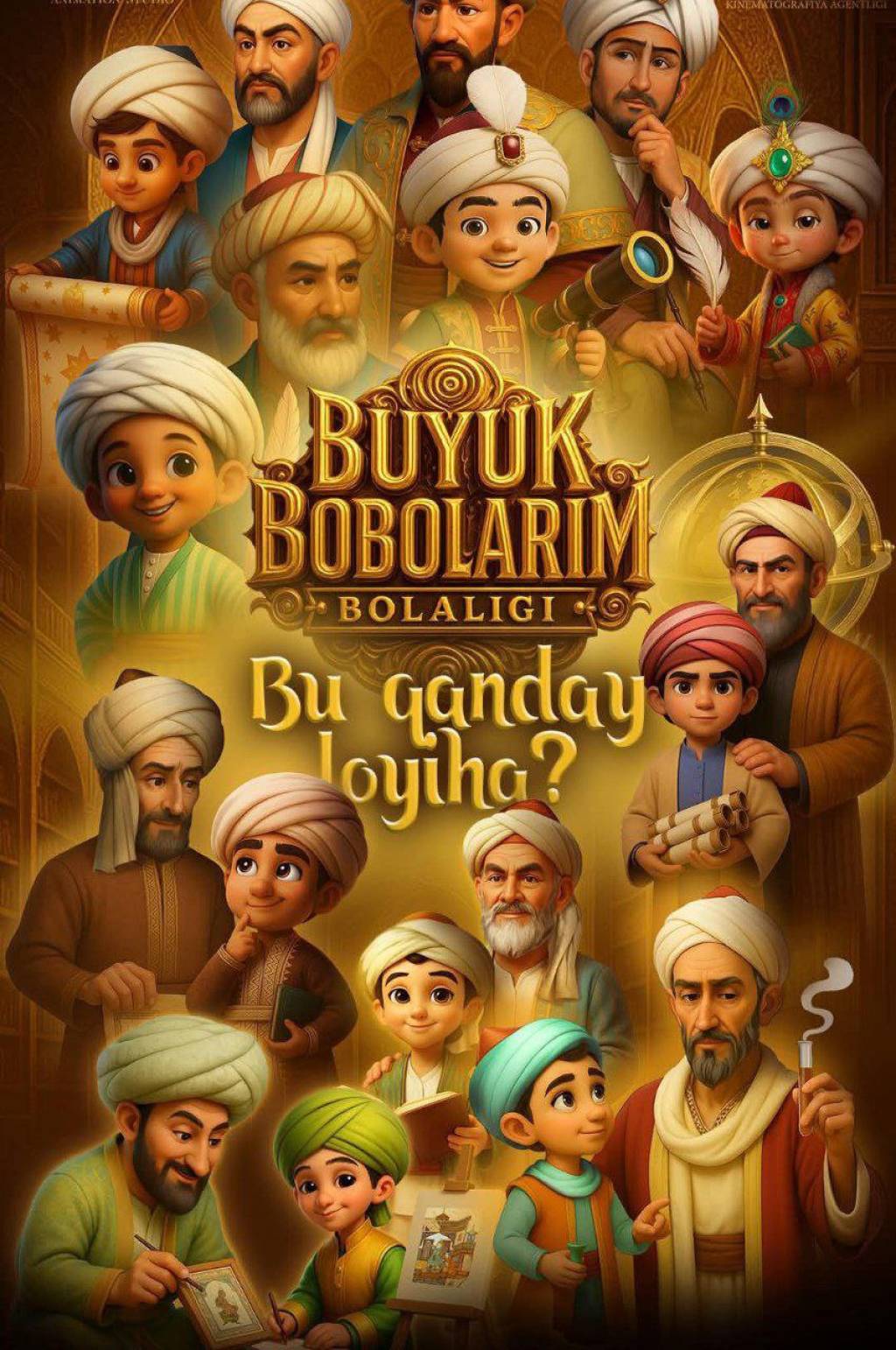
– In 2025, you created the animated film series “Childhood of Great Ancestors”. What contributed to this?
– Under the heading “Childhood of Great Ancestors”, the Association’s creative teams produced animated films about the lives and activities of prominent figures who were born and worked in our country. The films were presented to children in December. Their purpose is to introduce young audiences to the lives of great thinkers in a format accessible to children. At the same time, parents should help children understand the content of these animated films.
– Children watch cartoons on television, smartphones, and tablets. Are there any hygienic, moral, or spiritual standards for viewing animated films?
– Prolonged viewing is, of course, harmful for children. I believe that parents should choose the cartoons their children watch. For example, many animated films lack clear positive content, offer little moral or educational value, and are designed solely for entertainment. The purpose of such visually appealing productions is not to provide benefit, but to keep the child in front of the screen for as long as possible. In fact, an animated film should encourage children to adopt the positive aspects presented on screen, learn kindness, and acquire certain knowledge. For instance, there are educational animated films and those that enrich a child’s spiritual world. The main elements of animation are movement and dynamics, but dialogue should also be present. Cartoons without words may negatively affect the development of a child’s spoken language. I believe that animated films should use bright, colorful imagery to help convey a noble idea to a child’s mind. The idea itself should be communicated through engaging actions. For this purpose, filmmakers can consult child psychologists during production. It is also necessary to consider the number of frames changing per second. Failure to comply with standards in frame transitions may adversely affect a child’s brain. The Association’s creative teams always take all these aspects into account when producing films.
– Would you tell us about your plans, please?
– The animated films in the “Childhood of Great Ancestors” series were dedicated to thinkers of the First and Second Renaissance periods. We now plan to produce full-length animated films in this series about military commanders and Jadids, as well as adaptations of the works of Alisher Navoi, who conveyed events in a clear, refined, and highly artistic manner. The Cinematography Agency has announced a competition for creative projects to produce animated films that aim to prevent the spread of alien ideas and views among children. It is also planned to release animated films about national holidays and their history, as well as about the integration of children with disabilities into society.
Animated films should serve as a tool to promote kindness and positive qualities, helping children develop moral values and social skills.
Interviewed by Nazokat Usmanova, UzA