Akramjon Nematov: “Central Asia and Afghanistan are building a space of mutual trust”
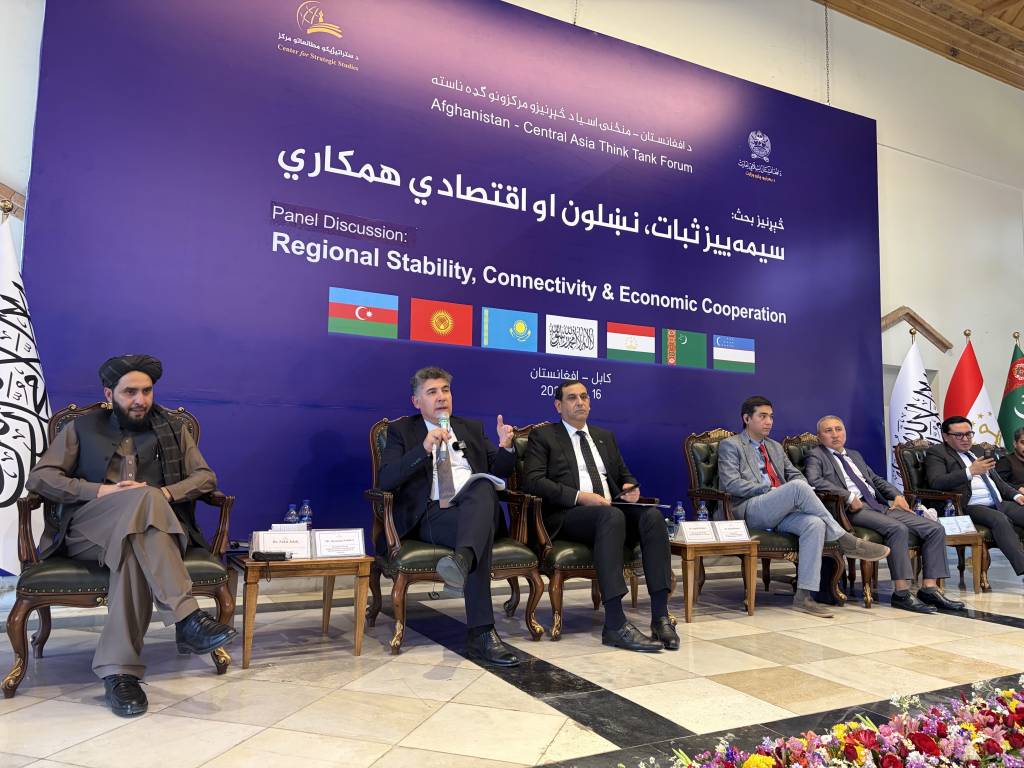
Kabul hosted the first Central Asia – Afghanistan Think Tank Forum, a new expert platform to discuss prospects for regional cooperation, connectivity, and sustainable development.
The event brought together representatives of national strategic research institutions and the foreign ministries of Central Asian countries and Afghanistan, members of the academic and expert communities, research centers, and the diplomatic corps of countries in the region.
The agenda covered political dialogue, regional stability and security, economic cooperation, and the development of transport and energy connectivity. Particular attention was given to expanding cultural and humanitarian ties and to addressing climate-related issues.
Addressing participants in the expert dialogue, the Minister of Foreign Affairs of Afghanistan, Mawlawi Amir Khan Muttaqi, welcomed the first Central Asia – Afghanistan Think Tank Forum, calling it an important step toward institutionalizing regional dialogue. He noted that Central Asia and Afghanistan are united by a common destiny, shared interests, and responsibility for the region’s future, and that the time has therefore come to independently determine the development priorities of the common space and to shape their own regional agenda.
Speaking at the forum, Akramjon Nematov, First Deputy Director of the Institute for Strategic and Regional Studies under the President of the Republic of Uzbekistan, stated that contemporary approaches to Afghanistan are increasingly pragmatic and focused on practical solutions. The expert argued that international experience in recent years has shown that isolating Afghanistan while expecting its internal stabilization has failed. In this regard, he emphasized the need to transition to a systematic and constructive partnership.
Mr. Nematov stated that Uzbekistan’s approach to Afghanistan has changed significantly in recent years: from viewing it primarily through the lens of risks to seeing it as an important participant in the emerging Central and South Asian space and an integral element of the regional security and development system.
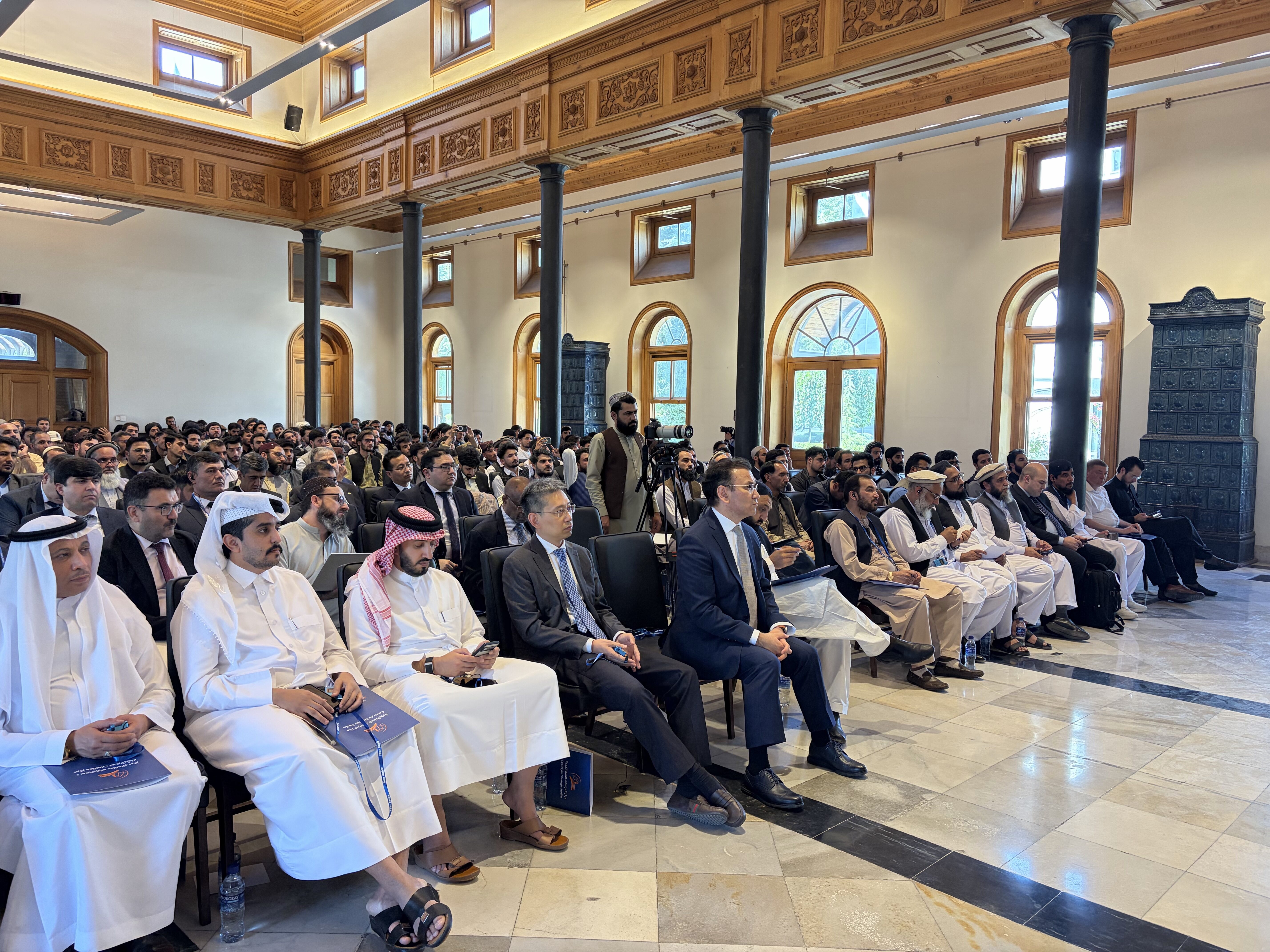
Mr. Nematov emphasized that modern Central Asia is now a consolidated region with its own development strategy grounded in the principles of good-neighborliness, mutual trust, economic cooperation, and strengthened regional agency. “Central Asia has demonstrated through its own experience that even the most complex issues can be resolved through dialogue, compromise, and consideration of mutual interests”, he said.
Mr. Nematov emphasized that Uzbekistan regards Afghanistan as one of its key partners in shaping a new model of regional cooperation and is open to its constructive engagement in regional processes. Accordingly, Afghanistan must also take into account the interests of neighboring states and contribute to the creation of a stable, predictable, and favorable regional environment.
Following the meeting, the sides formulated specific proposals on priority areas and on implementing joint projects to ensure long-term stability, sustainable development, and connectivity across Central and South Asia.
The parties expressed their readiness to deepen expert cooperation and coordinate efforts to build trust, enhance connectivity, and shape a long-term architecture for stability and development in the region.
UzA