A new contour of the global balance: the results of SPIEF 2026 as a manifesto of pragmatism
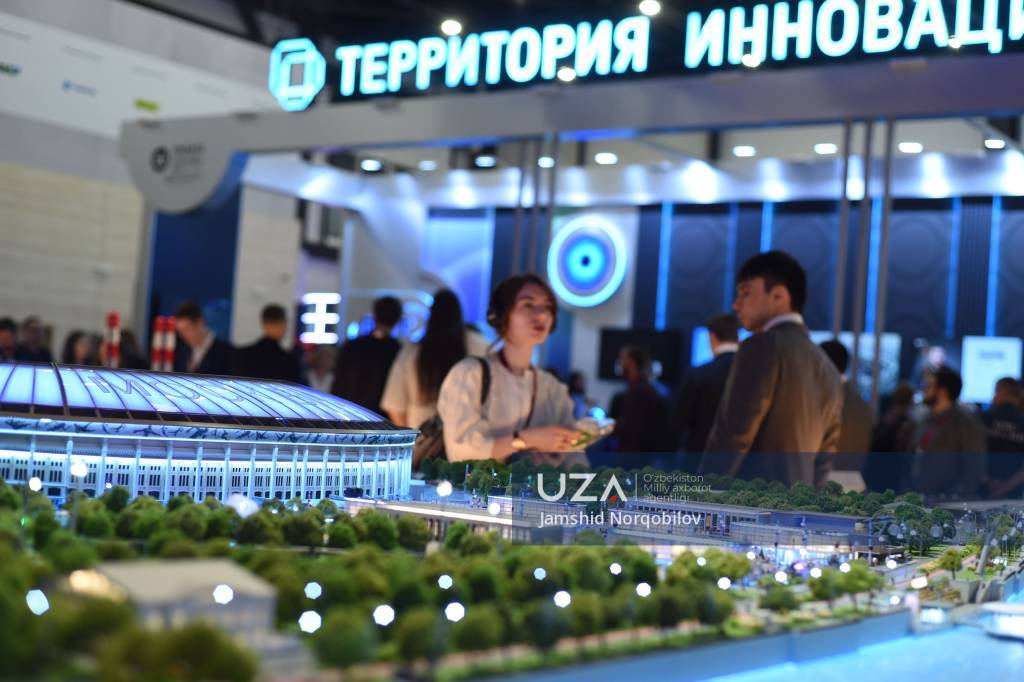
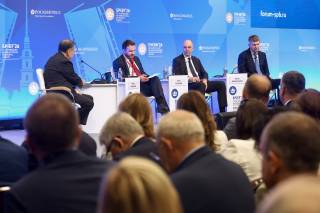
Summing up the results of the St. Petersburg International Economic Forum, Anton Kobyakov, Advisor to the President of the Russian Federation, Executive Secretary of the St. Petersburg International Economic Forum Organizing Committee, announced at the final press conference a scale that is hard to ignore: more than 24,500 participants from 142 countries worldwide, who sealed their intentions with 1,084 agreements worth an astronomical 6.642 trillion rubles.
As part of the forum’s demographic session, the focus shifted to practical technologies capable of changing the statistics, and one of the key topics was the development of low-rise construction. The logic here is simple and human: it is far more comfortable for a large family with many children to raise them in their own spacious home than in the conditions of megacities. The participants discussed in detail culture, healthcare, and money, which are now viewed not as ends in themselves but as effective tools for supporting families and stimulating the birth rate.
In parallel with addressing its enduring demographic challenges, Russia must make a bold leap into the technological future. In the era of the Fourth Industrial Revolution, it is vitally important for the country to drive qualitative advances in its technologies, the only guarantee of achieving genuine digital sovereignty and competitive advantage. The large-scale introduction of artificial intelligence can revolutionize Russia’s pharmaceutical industry, fundamental science, and bioeconomy, although this process will inevitably reshape the labor market, potentially affecting up to 40 percent of existing jobs.
Today, modern AI models can handle the most complex calculations, and reaching this new level of information is necessary for the state to effectively manage economic processes and plan the future as a whole. However, looking toward the horizons of digitalization, Anton Kobyakov left the forum participants with an important philosophical warning: the information environment around us has changed beyond recognition, but people themselves have remained essentially the same. The main danger of this transition is that, in the modern world, a person sometimes begins, paradoxically, to trust “a cold machine more than their own common sense”.
SPIEF 2026 has come to an end, leaving behind not only multibillion-dollar contracts but also a clear understanding: the future belongs to those who combine technological progress with loyalty to their roots and a pragmatic approach to reality.
[gallery-29849]
Roman Bondarchuk, UzA
Saint Petersburg